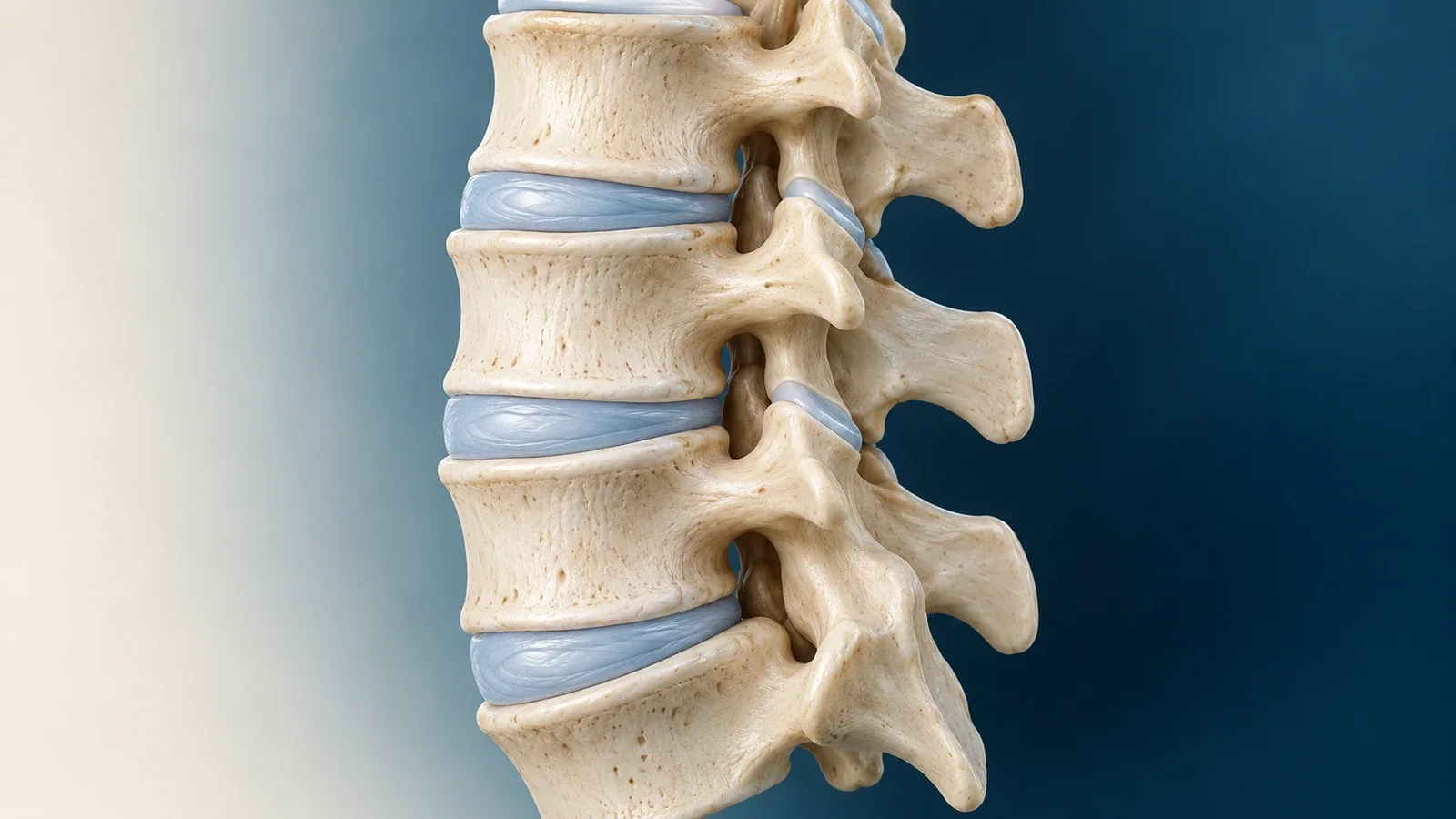
Lumbar Disc Herniation
Back and radiating leg symptoms, neurological assessment, non-surgical options and the role of surgery.
Explore the condition ↗Brain, Spinal Cord and Nerve Surgery
This website presents information on lumbar and cervical disc herniation, spinal stenosis, brain tumours, vascular conditions and peripheral nerve problems within Op. Dr. Ozan Ganiüsmen’s field of neurosurgery. Condition pages cover symptoms, diagnosis, non-surgical and surgical treatment, follow-up and changes requiring urgent care. Related treatment methods are linked within the articles. A condition's name alone does not determine treatment; individual findings and investigations are considered together.
Links marked TR open Turkish pages. Further English pages are being prepared.
EXPLORE BY TOPIC
Choose a group to explore condition pages, then use the contents menu to go directly to a topic.
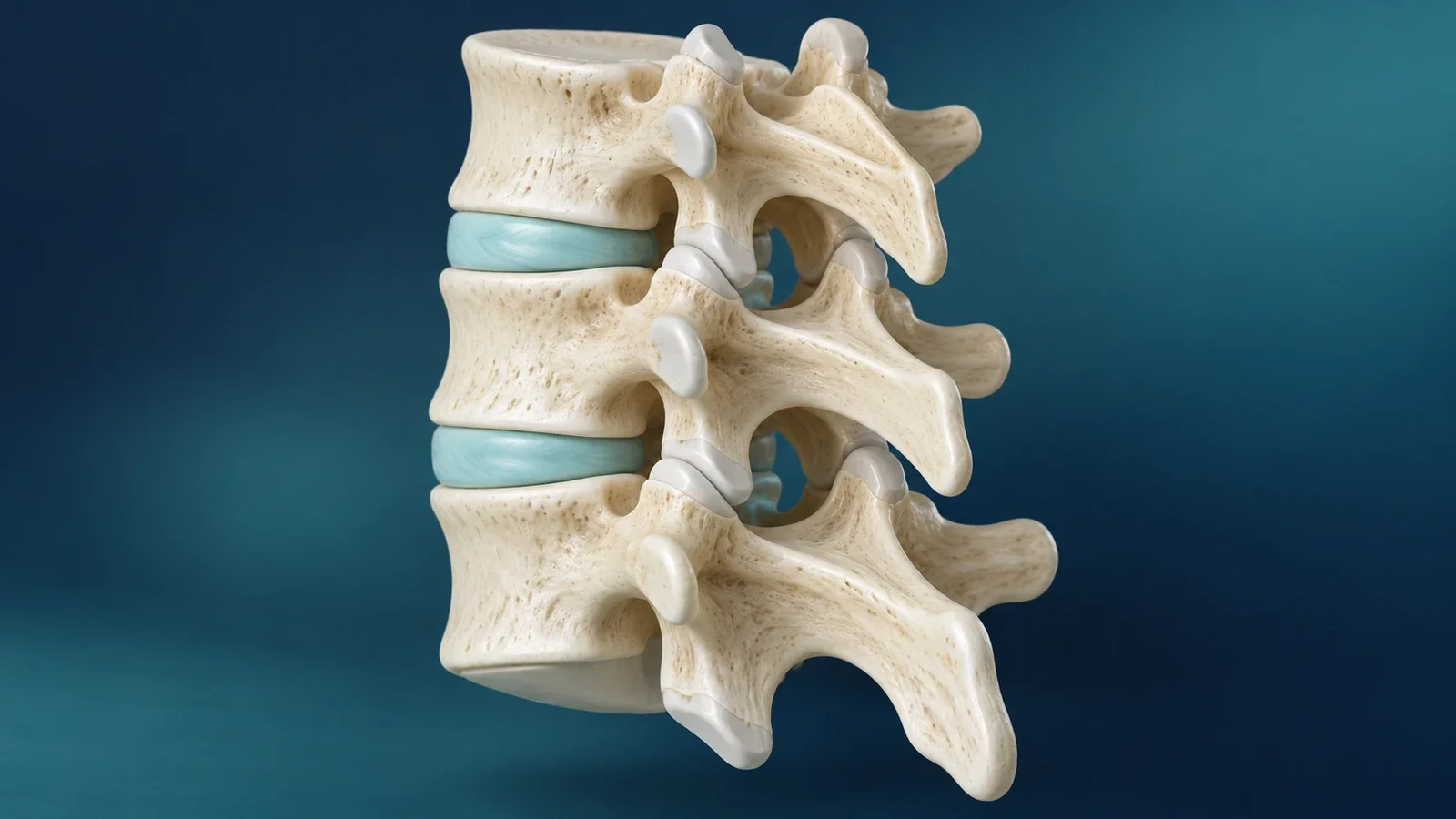
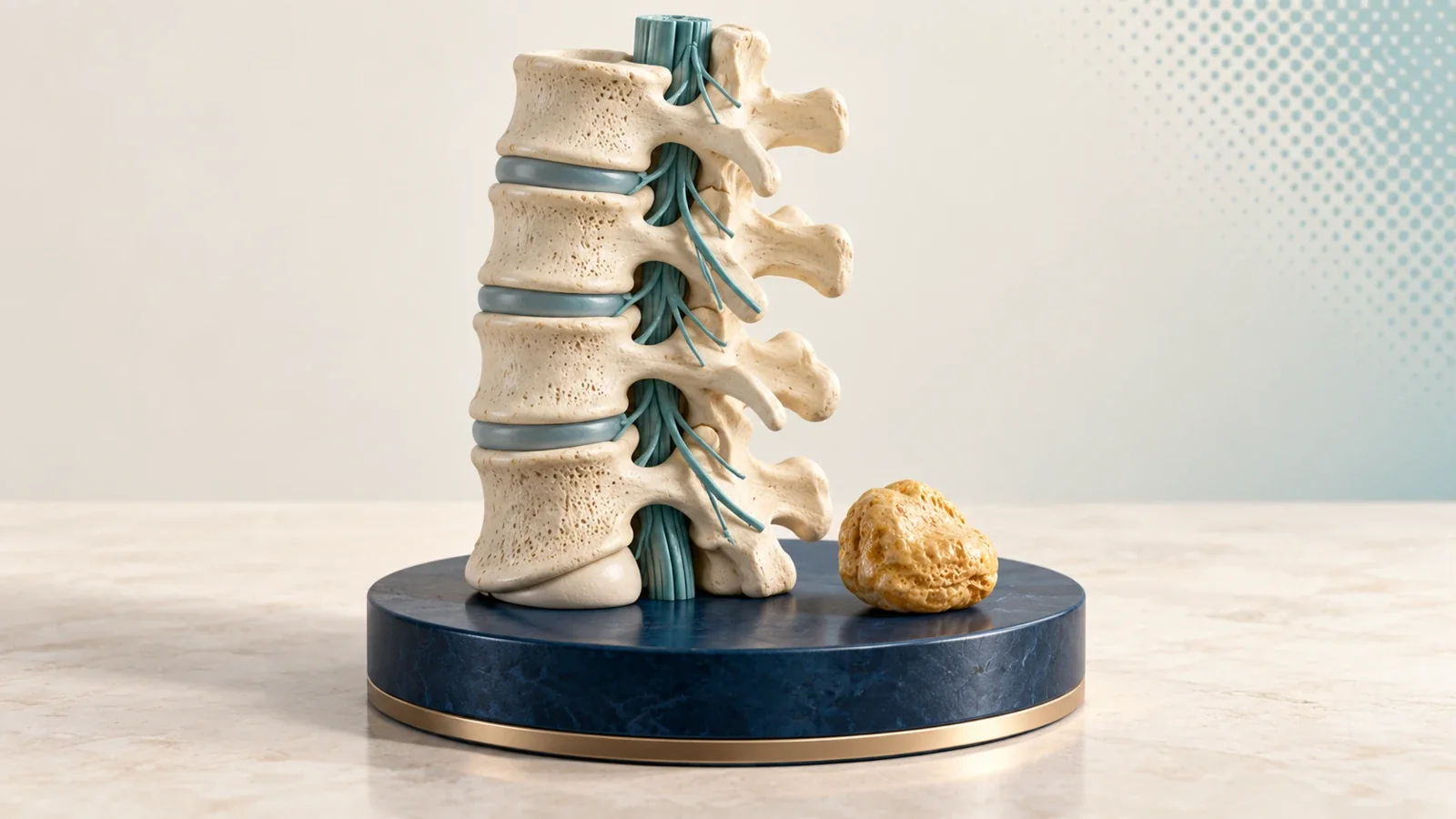
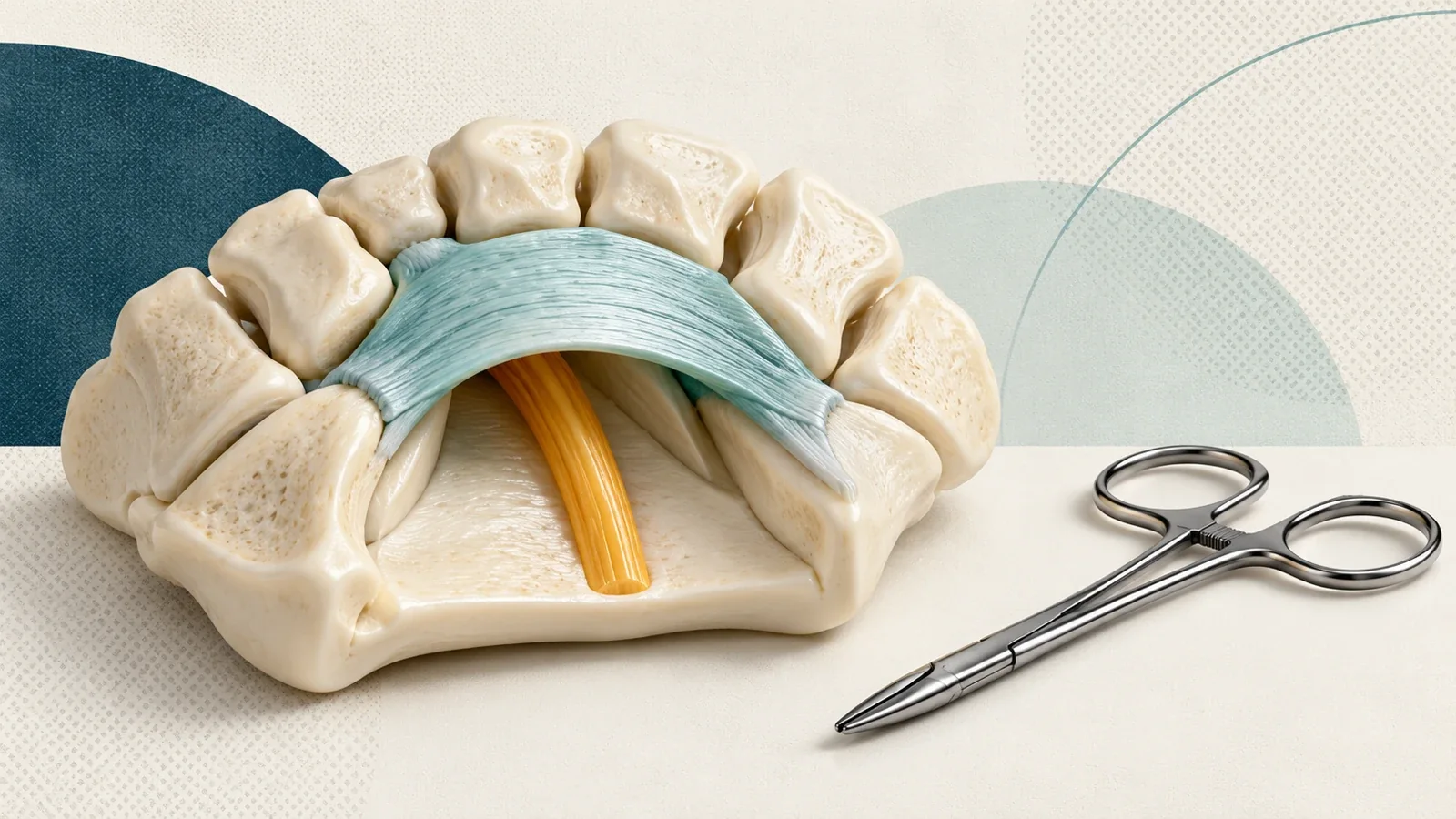
Back and radiating leg symptoms, neurological assessment, non-surgical options and the role of surgery.
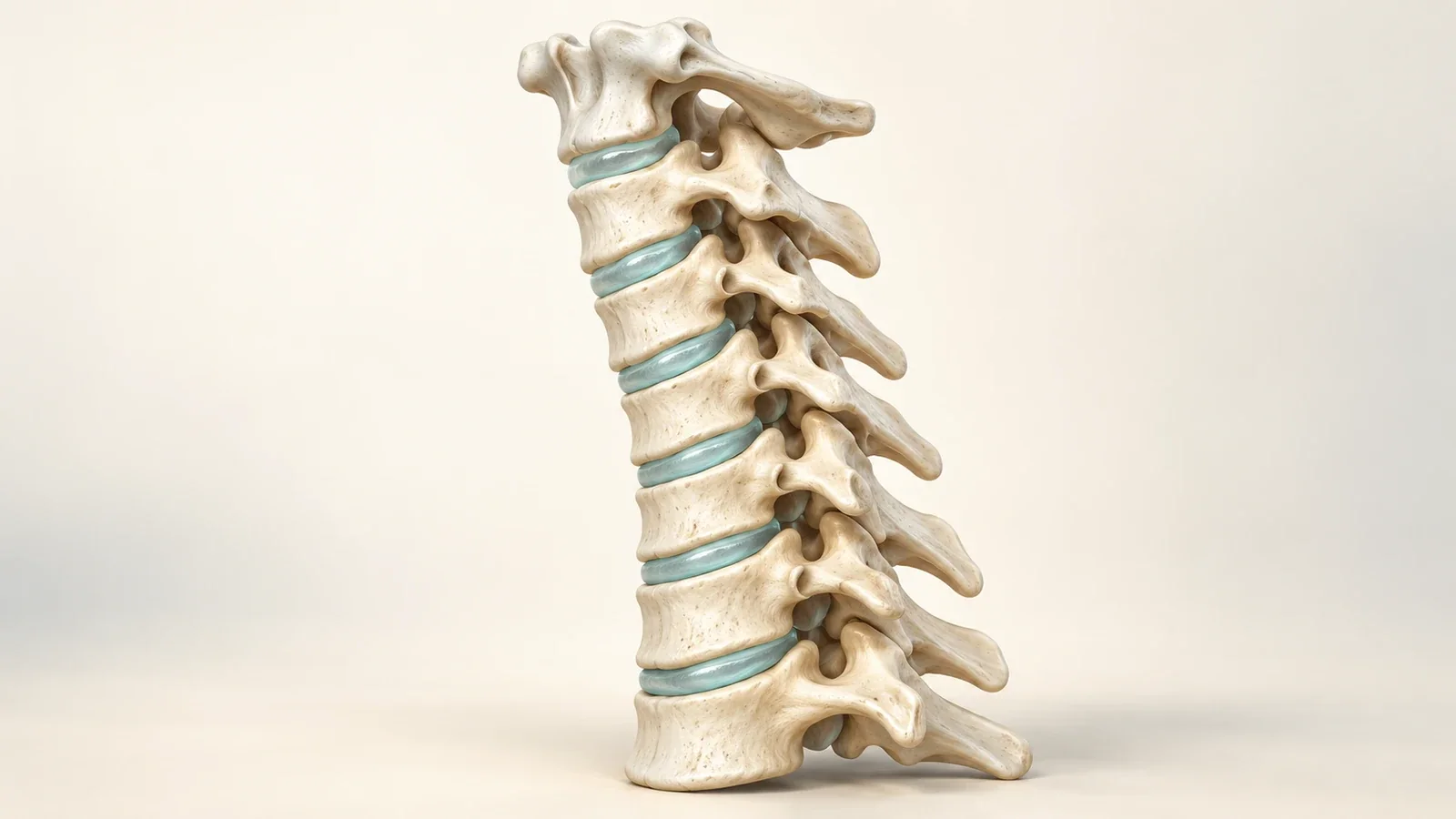
Explore the condition ↗Neck and arm symptoms, distinguishing nerve root from spinal cord involvement, diagnosis and treatment options.
Explore the condition ↗Walking-related leg symptoms in lumbar stenosis, neurogenic claudication and the role of decompression.
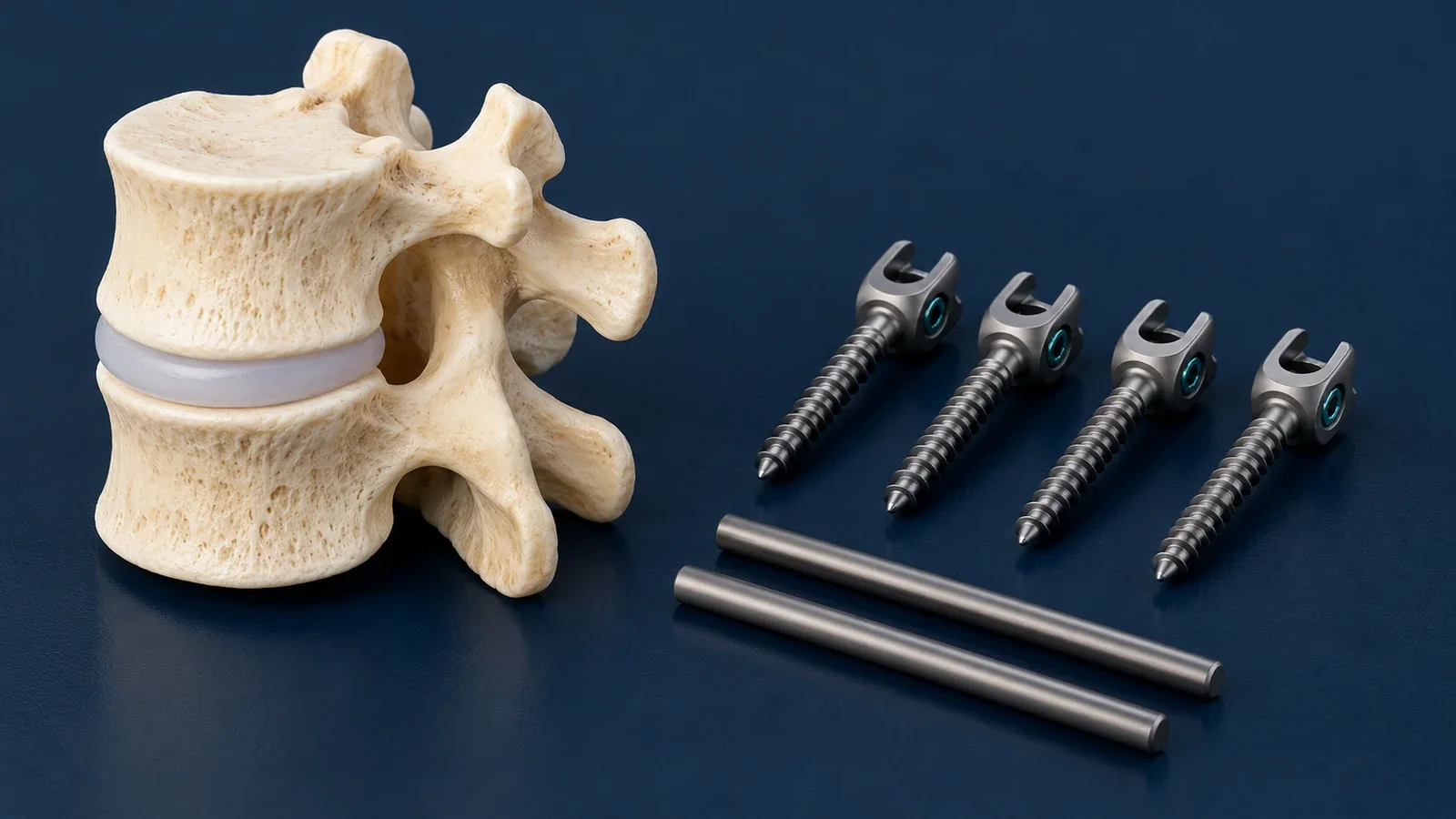
Explore the condition ↗Assessment of pain and nerve compression in spondylolisthesis; distinguishing vertebral slippage from instability.
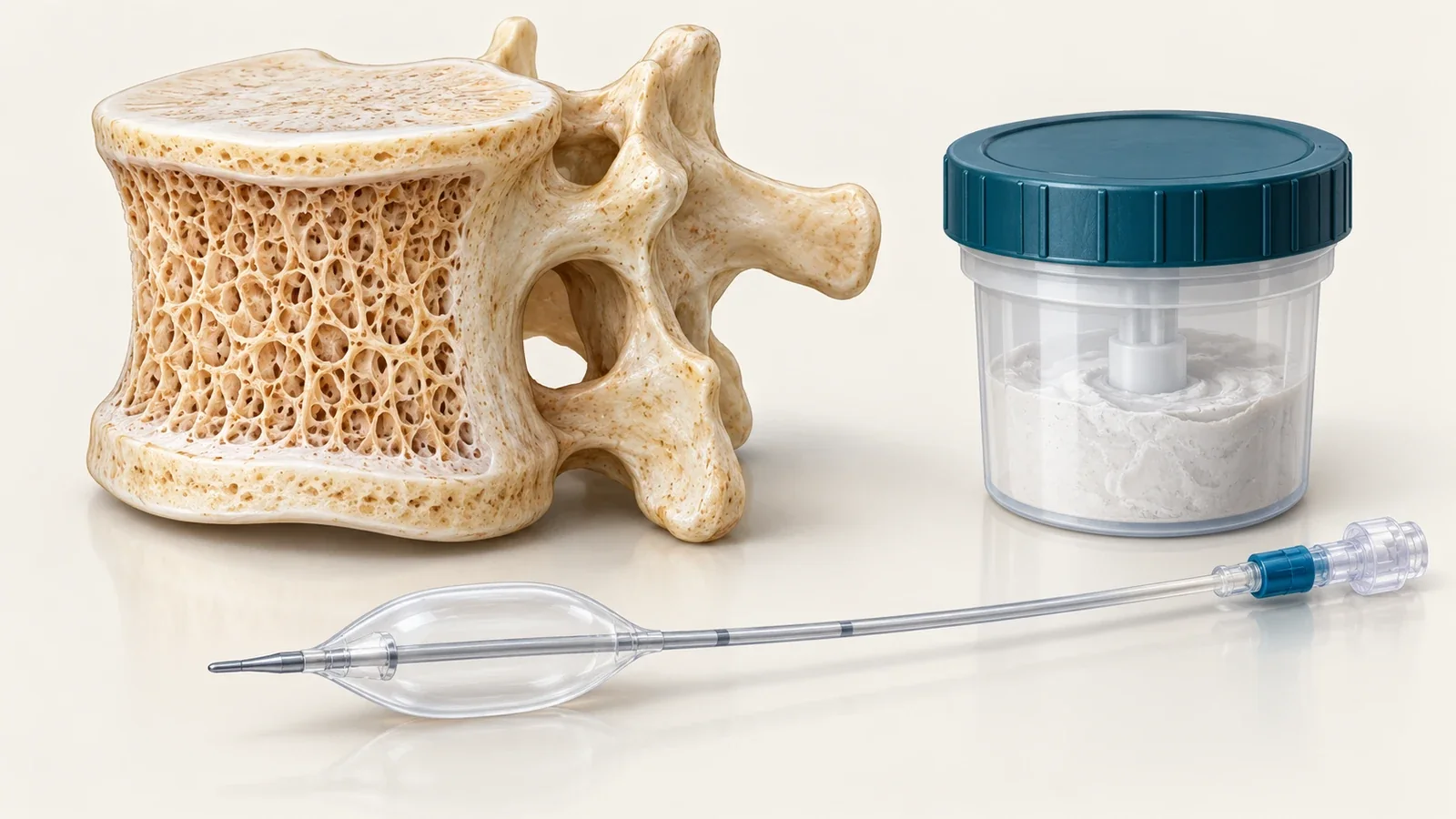
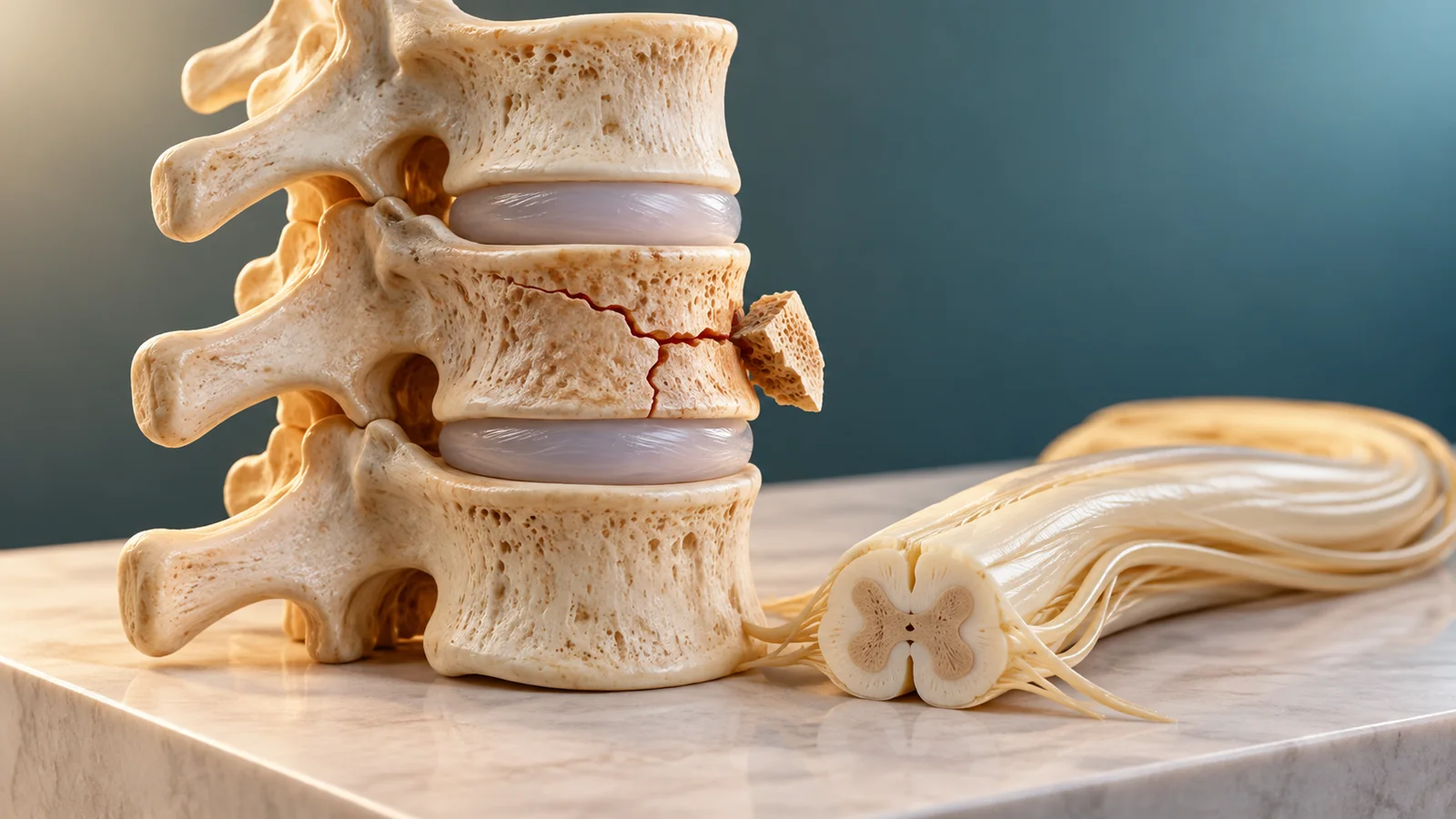
Explore the condition ↗Vertebral body fractures associated with osteoporosis, trauma and other causes; monitoring and interventional options.
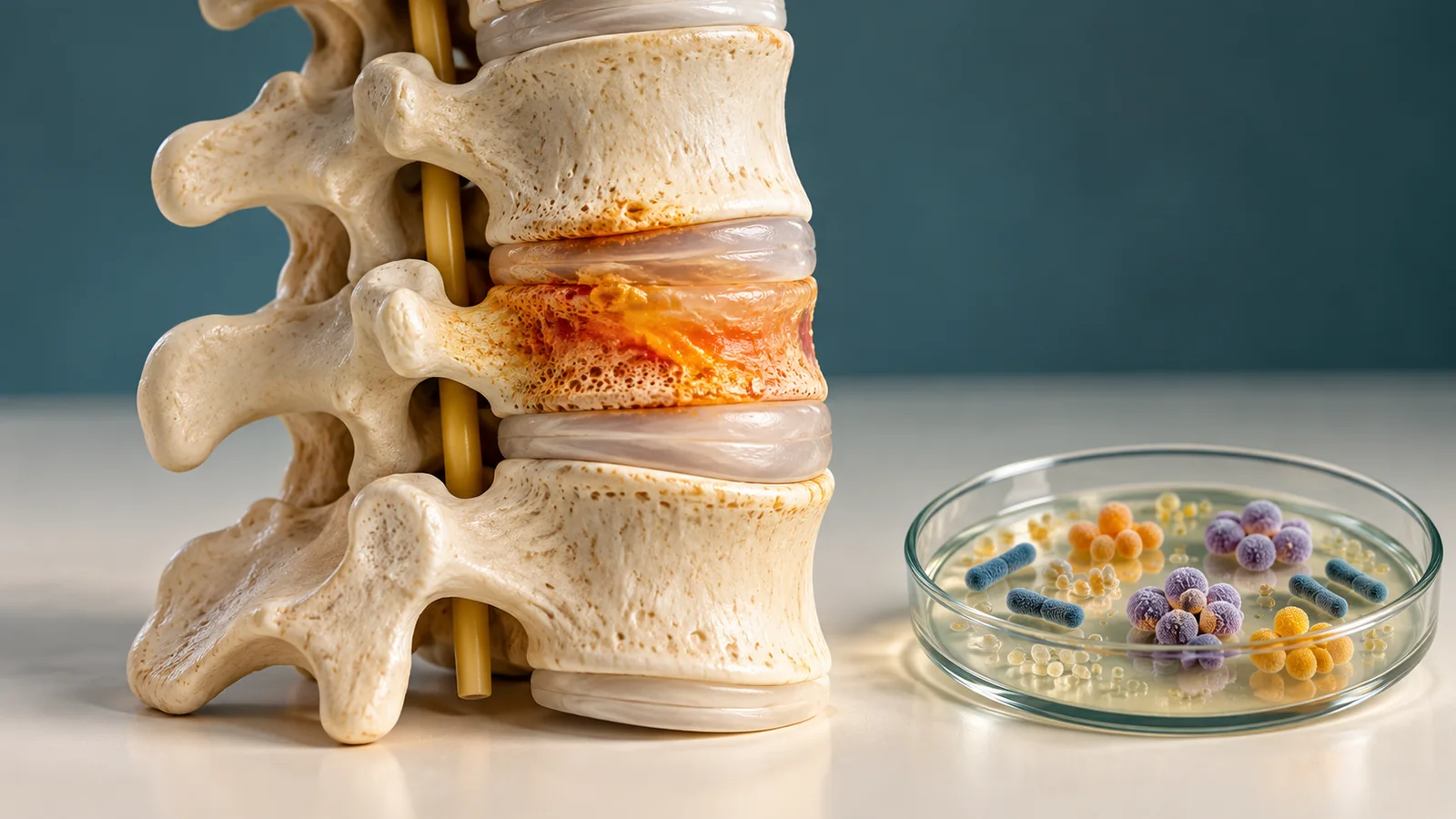
Explore the condition ↗Investigating causes, treatment and urgent symptoms in discitis, spondylodiscitis and vertebral osteomyelitis.
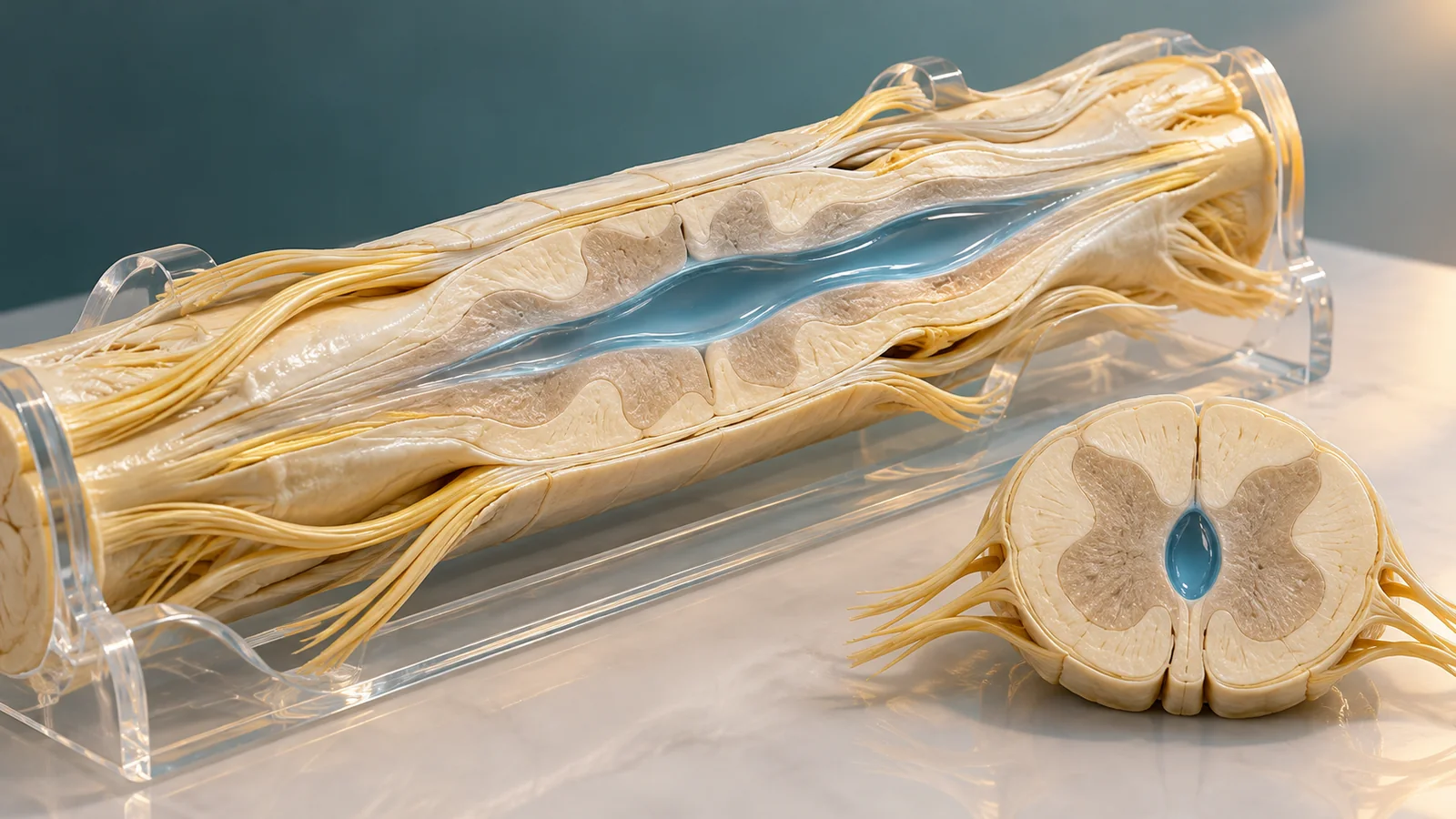
Explore the condition ↗Causes of a fluid-filled cavity within the spinal cord, its relationship with Chiari malformation and monitoring neurological function.
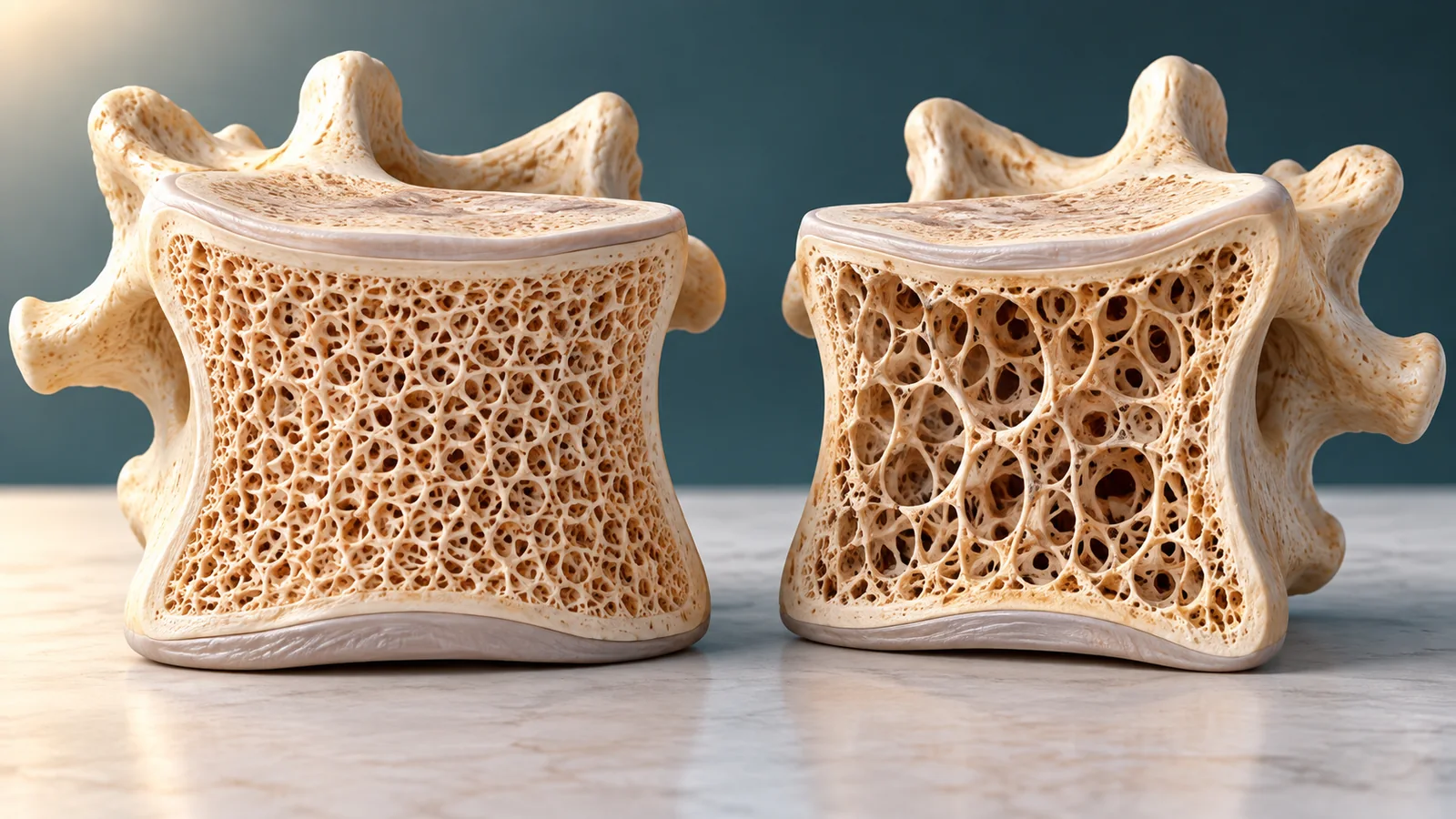
Explore the condition ↗Bone fragility, vertebral compression fractures, reducing fracture risk and the limitations of selected interventions.
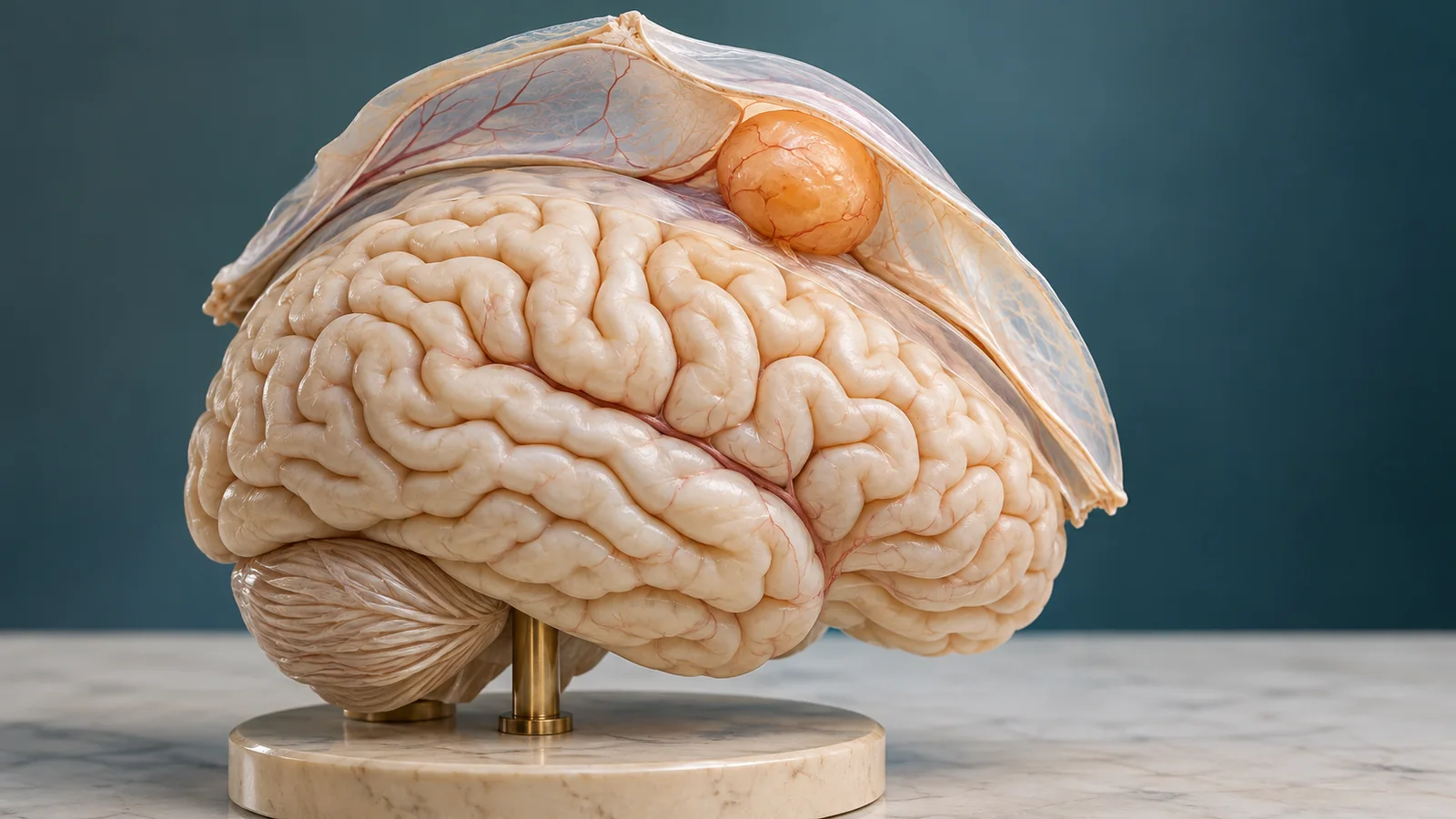
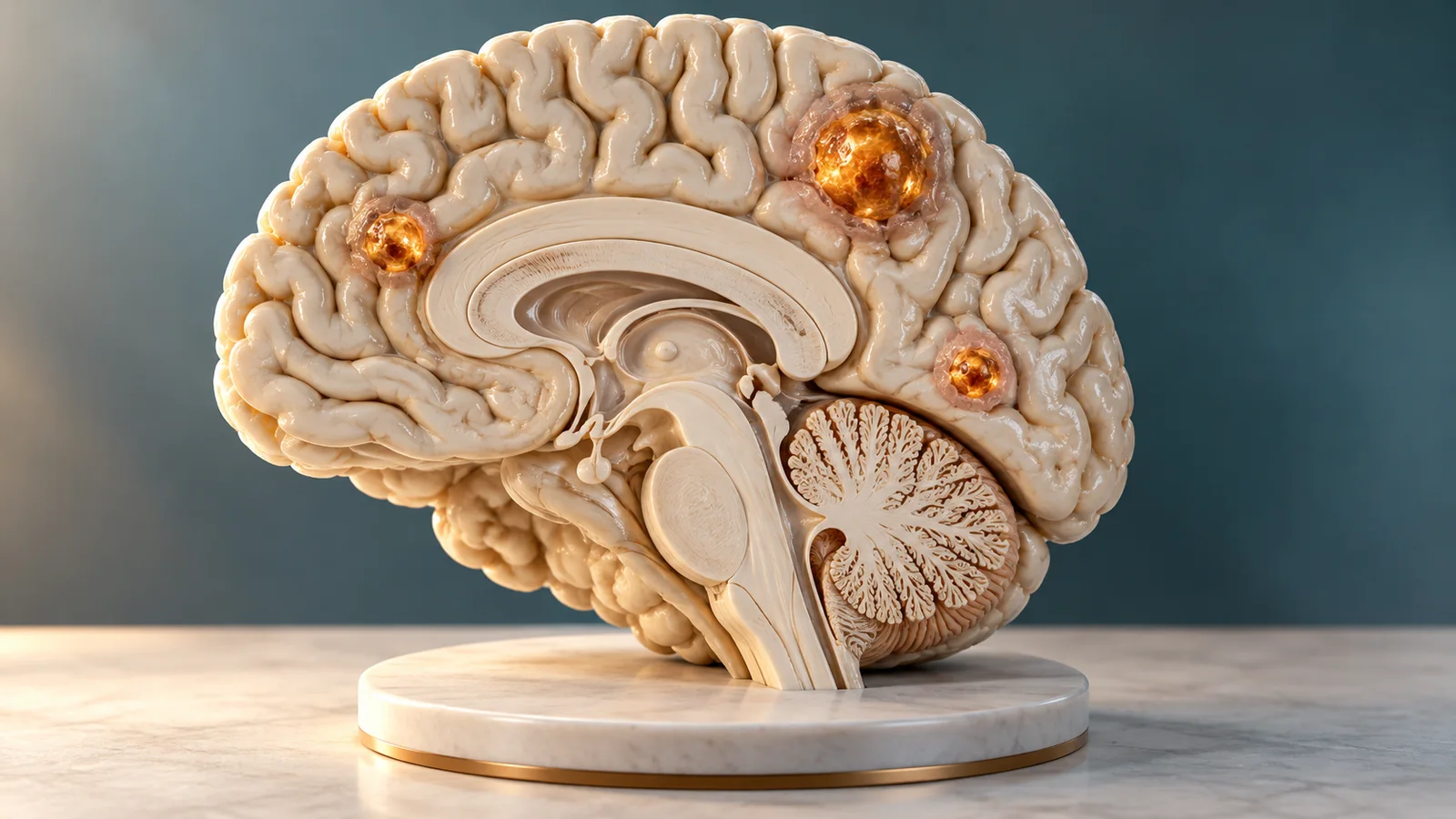
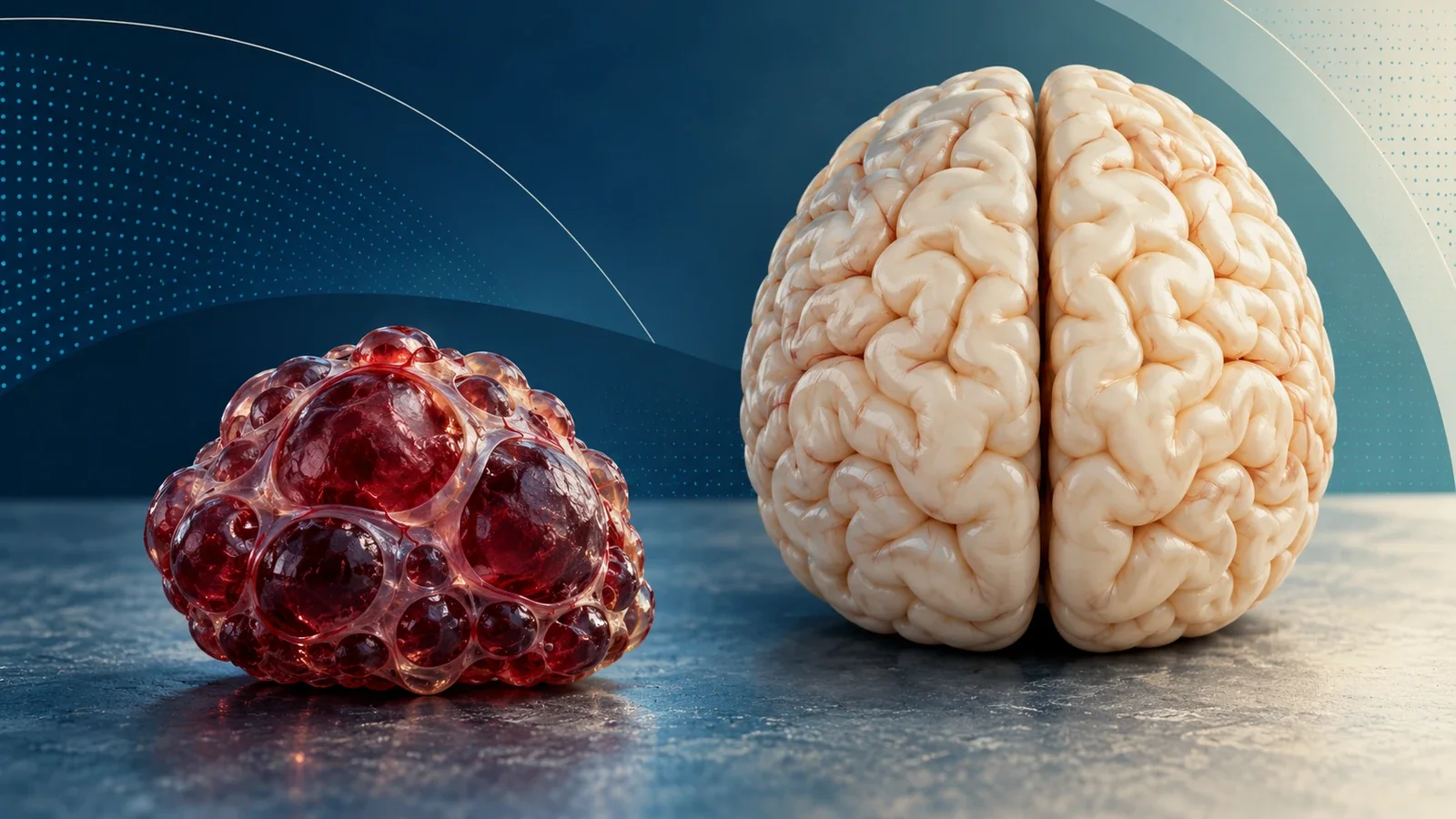
Explore the condition ↗Types of brain masses, symptoms, diagnosis and treatment options that vary between individuals.
Explore the condition ↗Different assessment and treatment approaches for tumours of spinal bone, nerve coverings and the spinal cord.
Explore the condition ↗The basis for monitoring, surgery and radiotherapy decisions for meningiomas arising from the brain's coverings.
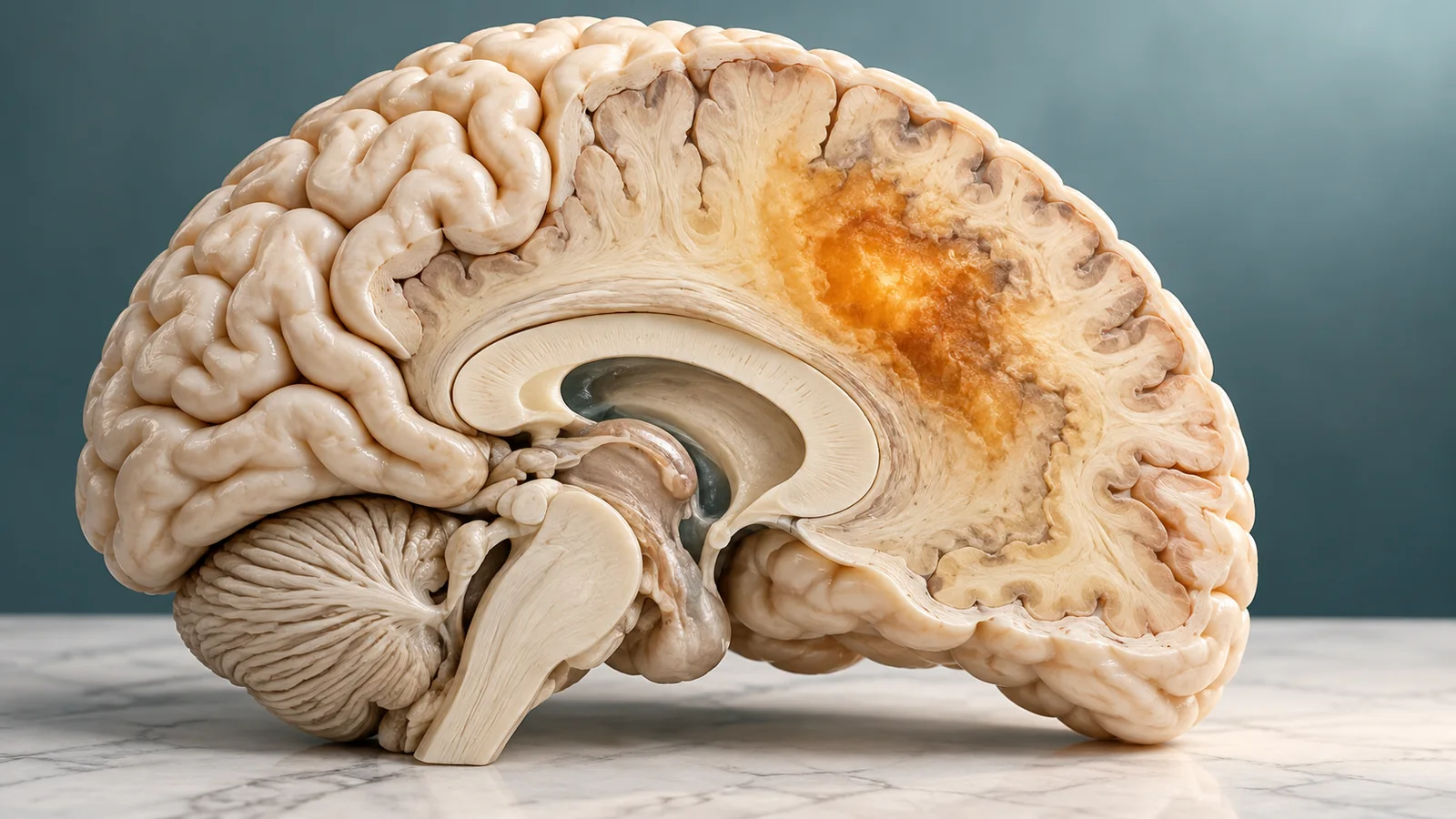
Explore the condition ↗Tissue and molecular diagnosis, function-preserving surgery and additional treatments for gliomas.
Explore the condition ↗Hormone production, visual pathways and treatment planning with endocrinology for pituitary masses.
Explore the condition ↗Diagnosis, local treatments and joint oncology planning when cancer from another organ spreads to the brain.
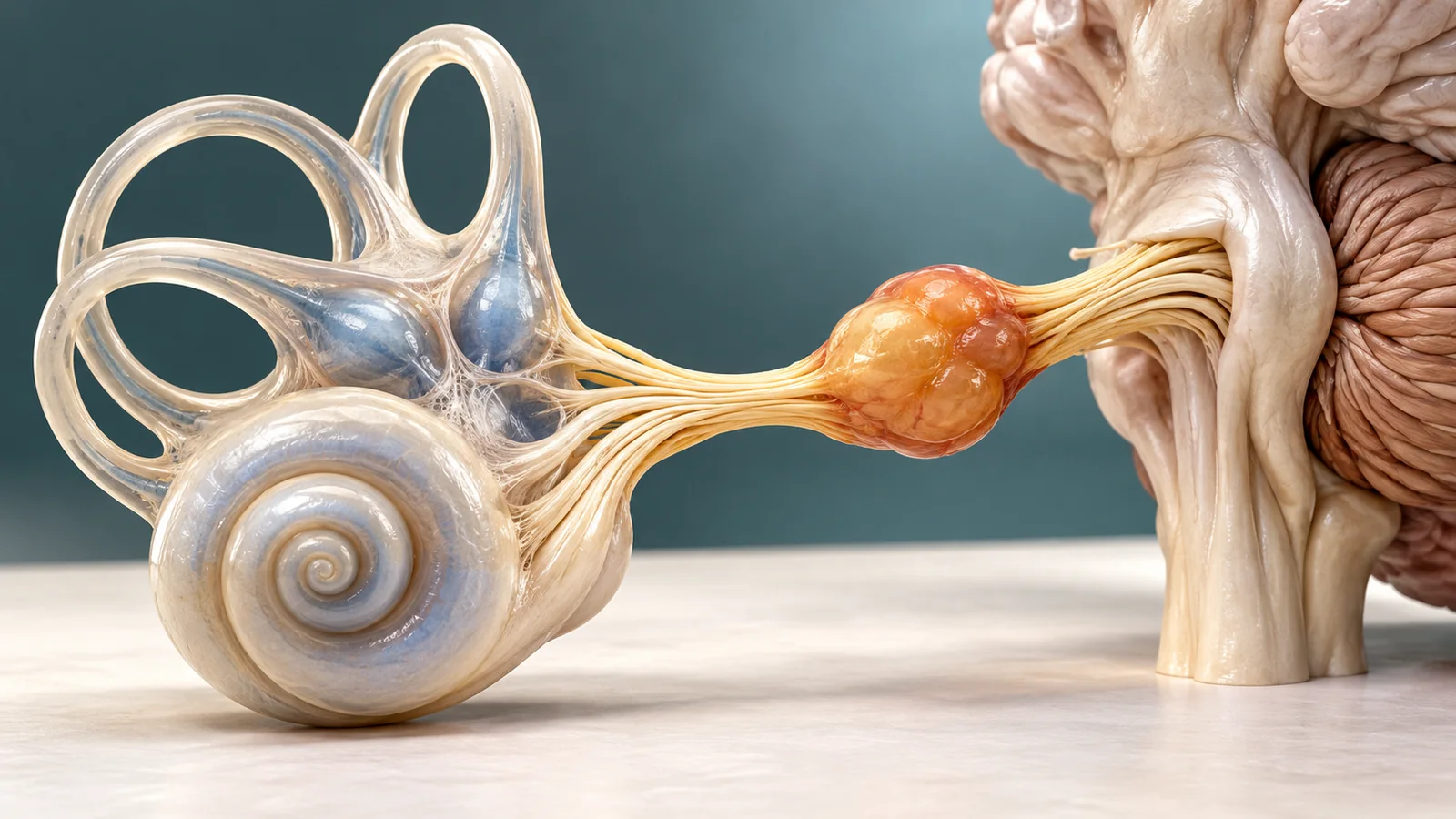
Explore the condition ↗Monitoring, focused radiation and surgical options for a tumour arising from the covering of the hearing and balance nerve.
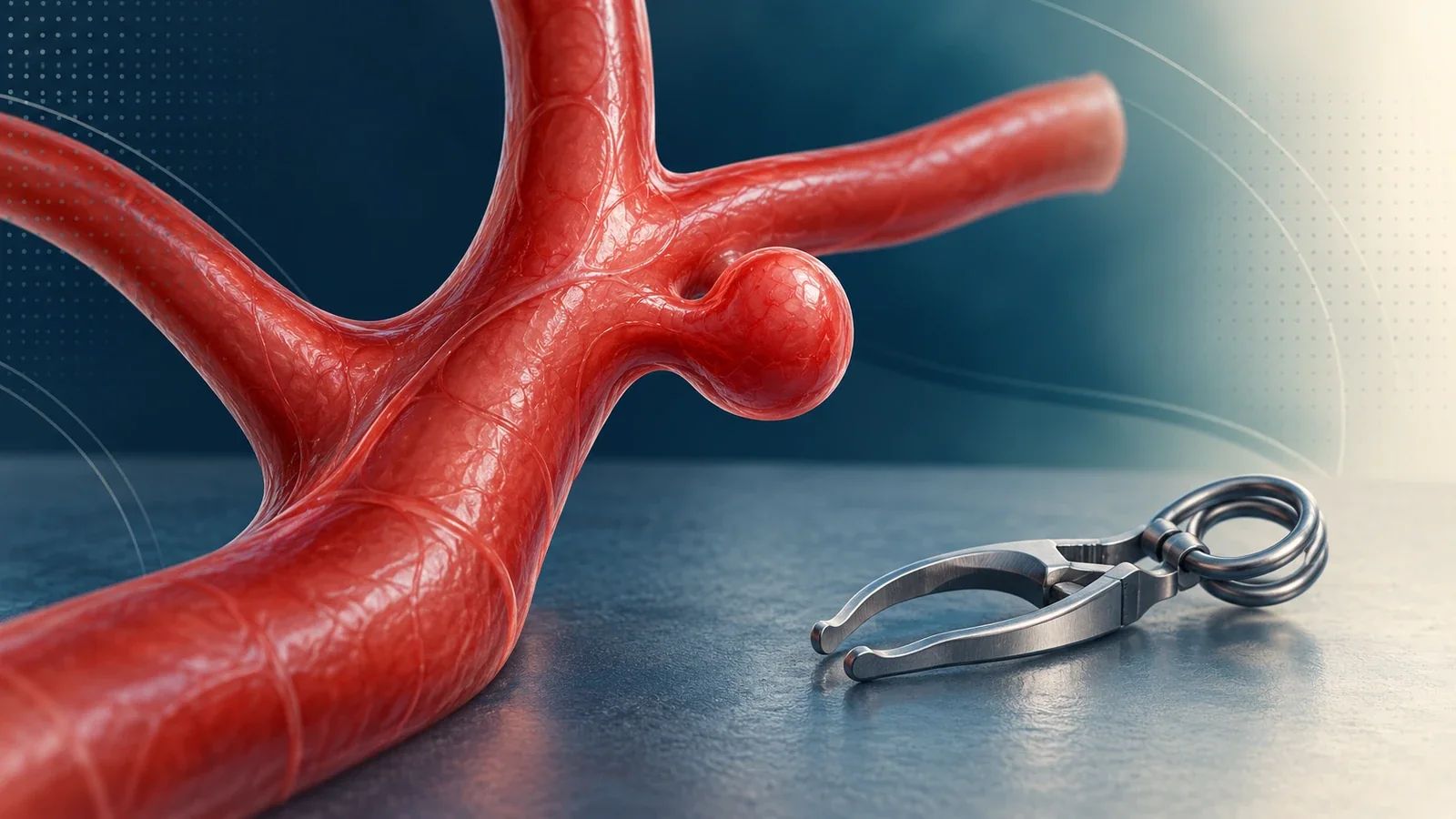
Explore the condition ↗A cerebral aneurysm is a localised widening in the wall of an artery supplying the brain.
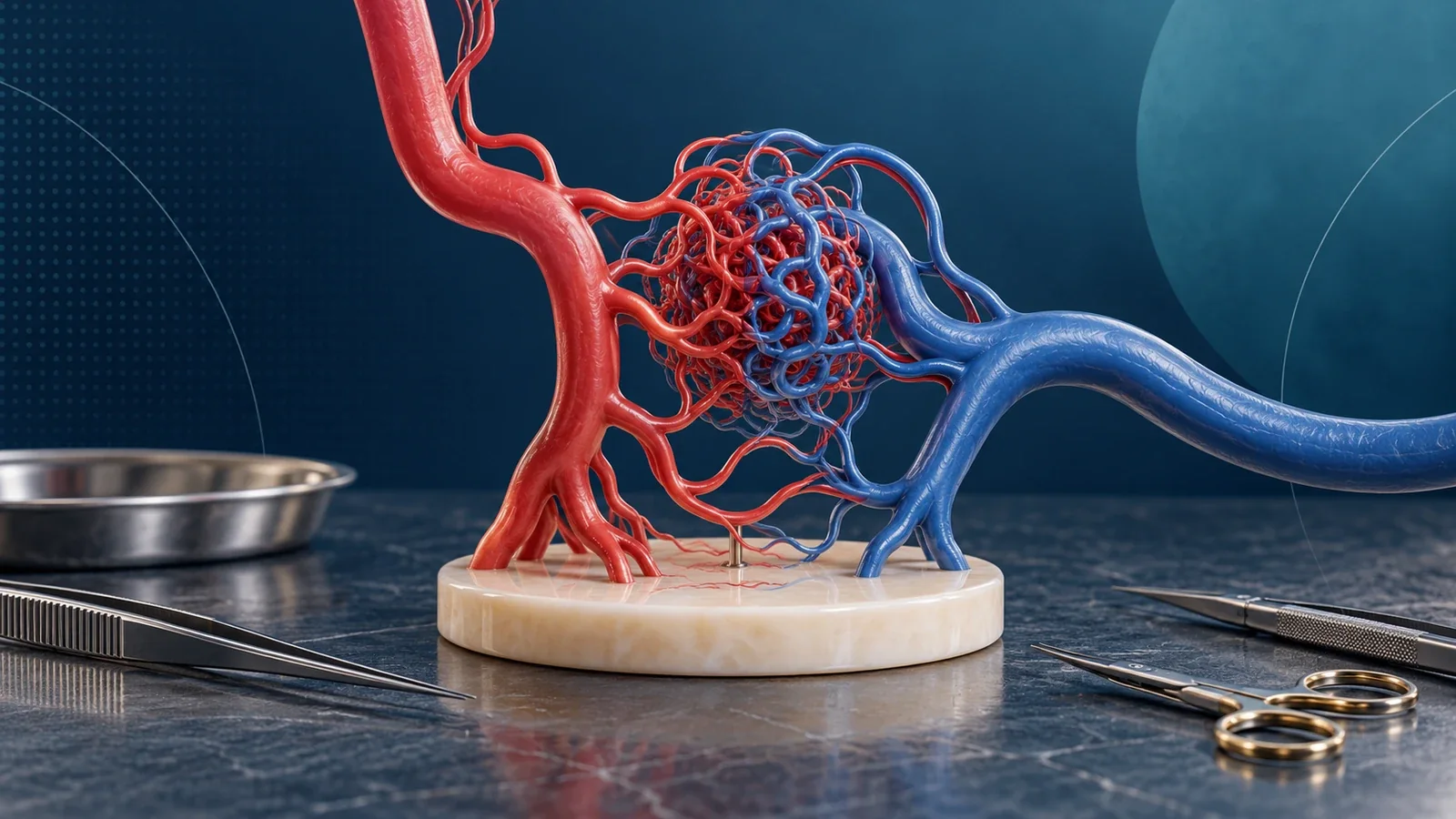
Explore the condition ↗An arteriovenous malformation is a tangle of abnormal connections between arteries and veins without the normal capillary network between them.
Explore the condition ↗A cavernoma is a vascular lesion made up of small, enlarged, thin-walled vascular spaces.
Explore the condition ↗Brain haemorrhage is a general term for bleeding that can occur in different compartments within the skull.
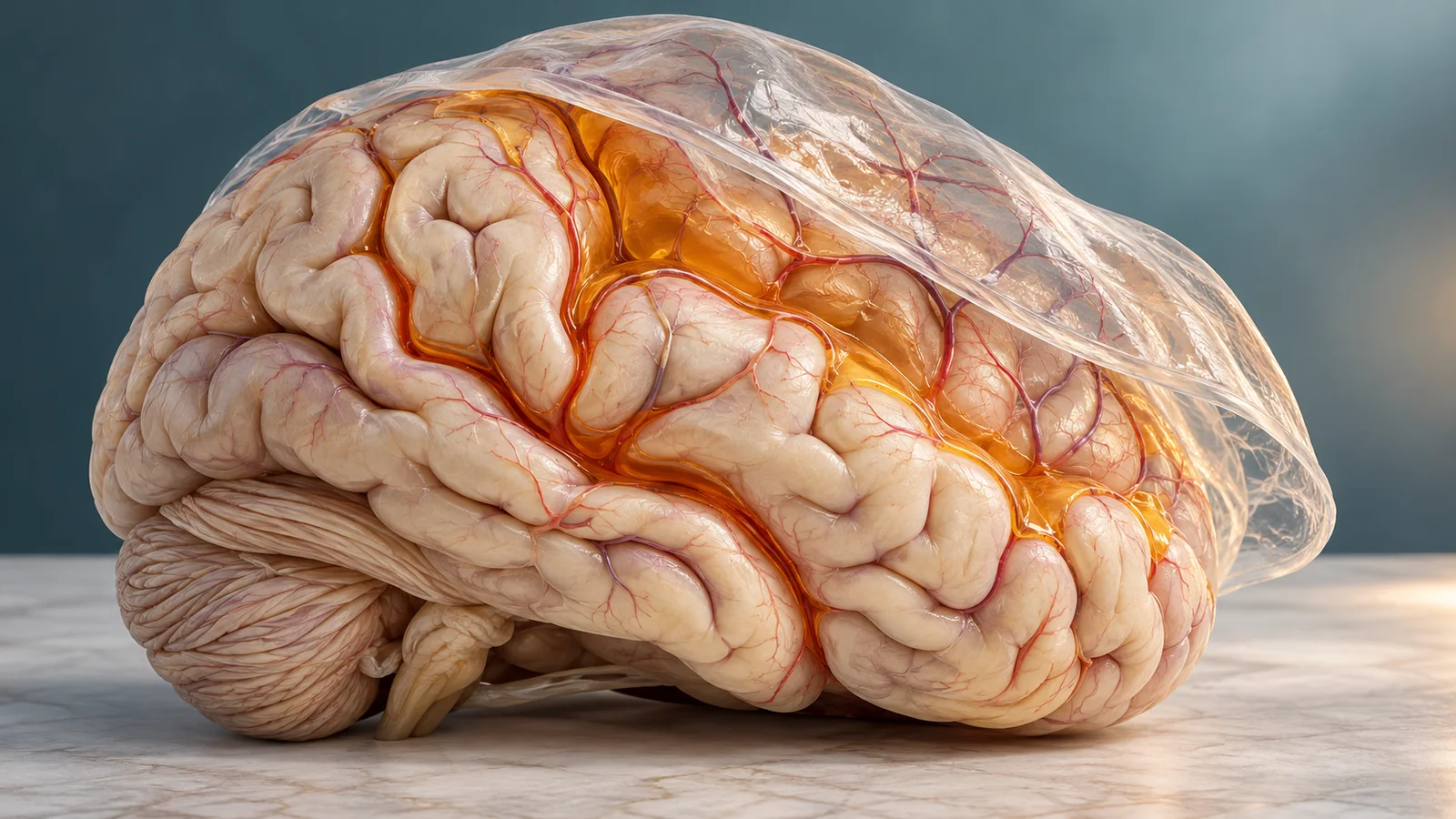
Explore the condition ↗Subarachnoid haemorrhage is bleeding into the cerebrospinal fluid-filled space between the brain and its thin surrounding membranes.
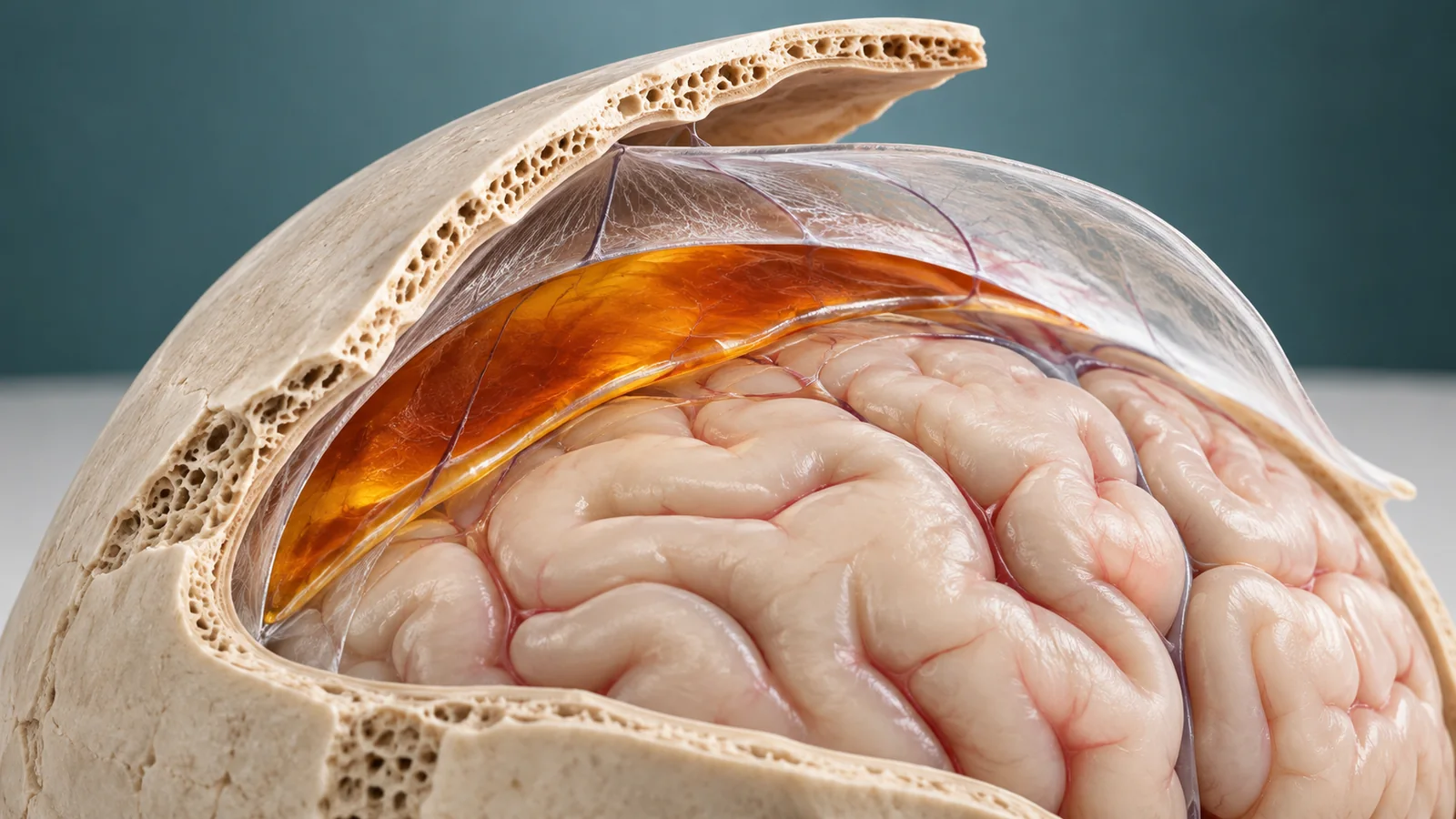
Explore the condition ↗A subdural haematoma is a collection of blood between the brain's surface and its tough outer covering.
Explore the condition ↗An epidural haematoma is a collection of blood between the skull bone and the tough covering of the brain.
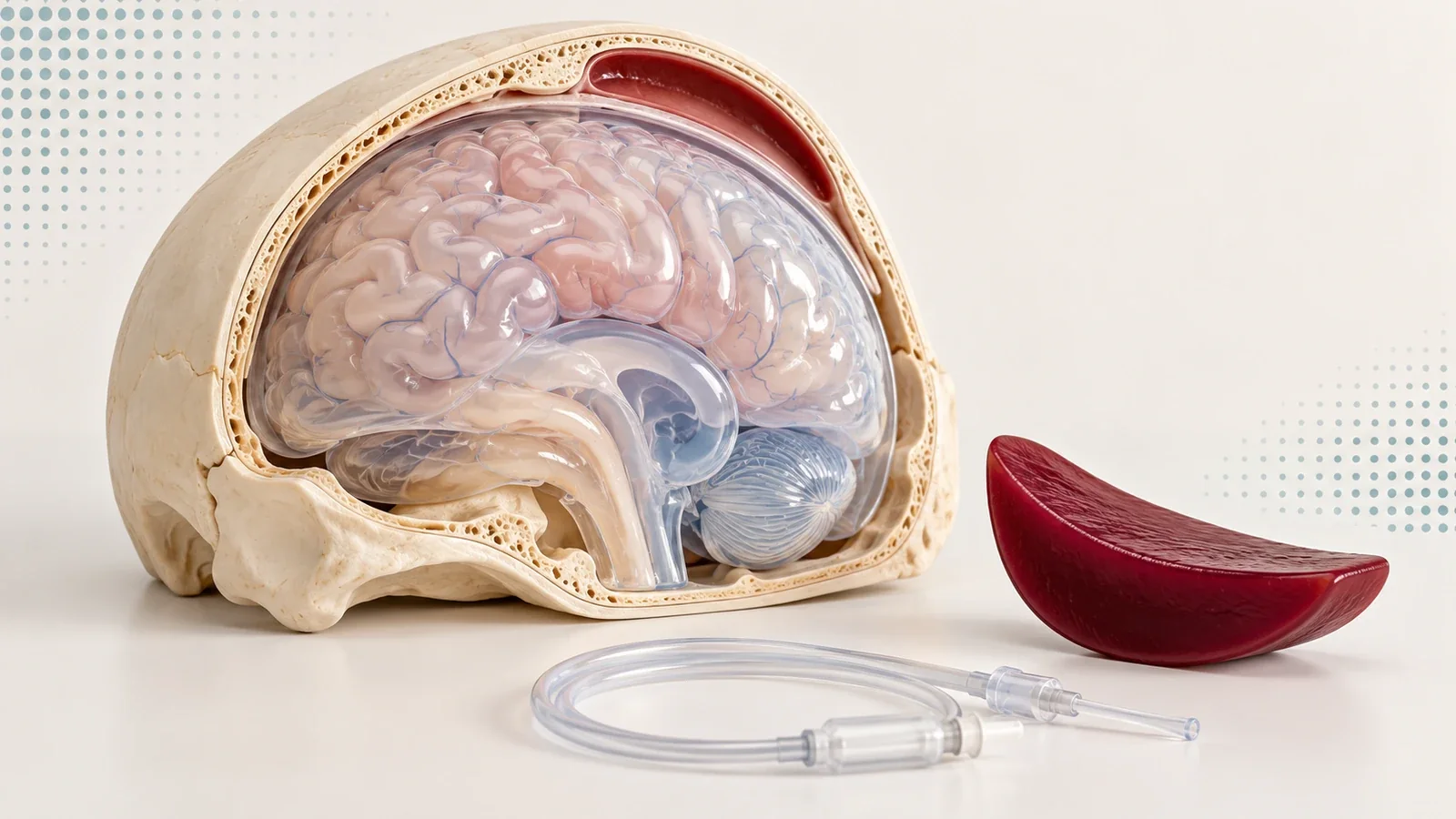
Explore the condition ↗Hydrocephalus is a clinical condition that can arise when impaired circulation or absorption of cerebrospinal fluid enlarges the brain's ventricles.
Explore the condition ↗Normal pressure hydrocephalus is associated with cerebrospinal fluid circulation and absorption and is most often assessed in older people.
Explore the condition ↗A brain abscess is a collection of infected material within brain tissue.
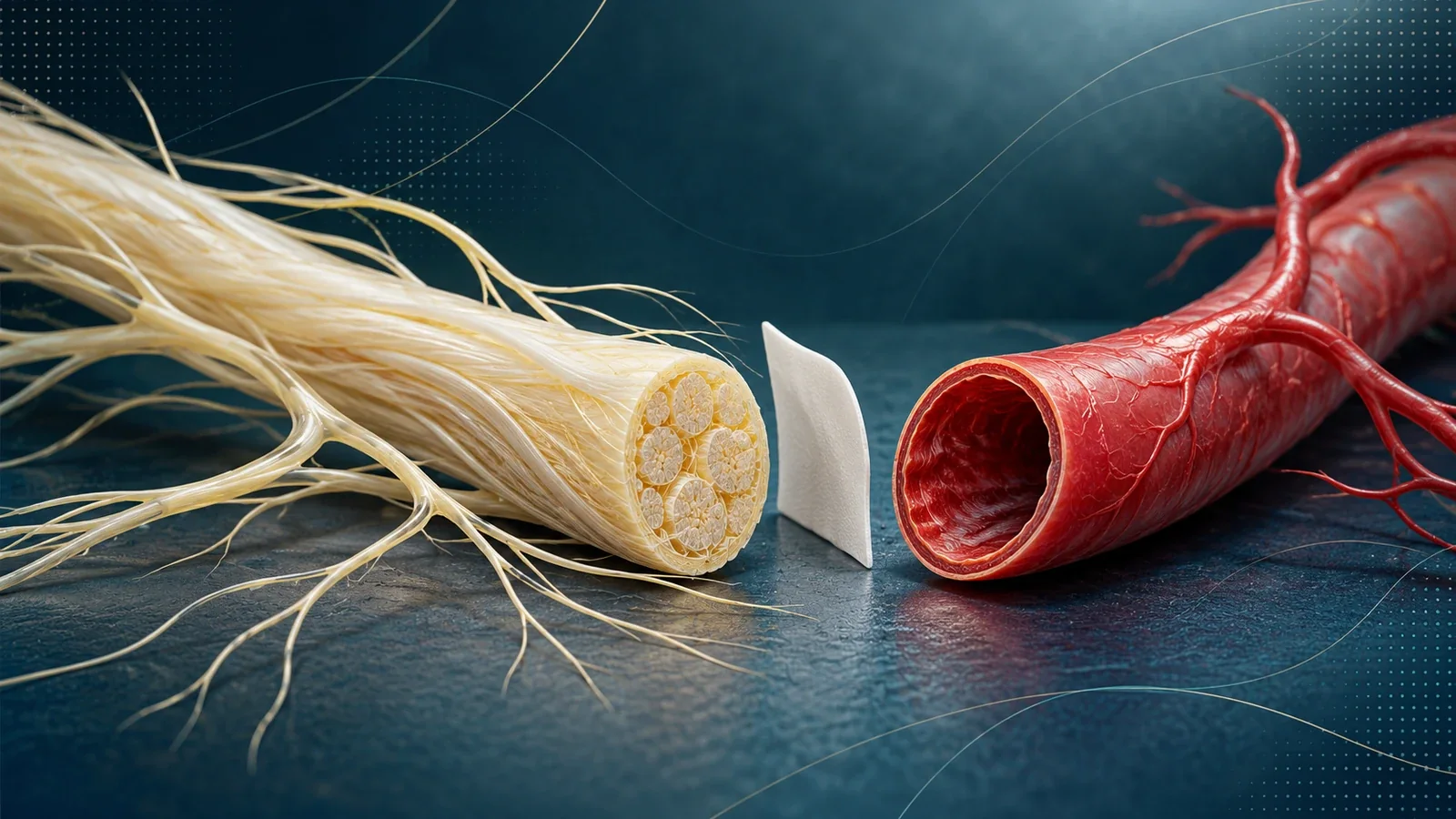
Explore the condition ↗Numbness, weakness and treatment options for median nerve compression at the wrist.
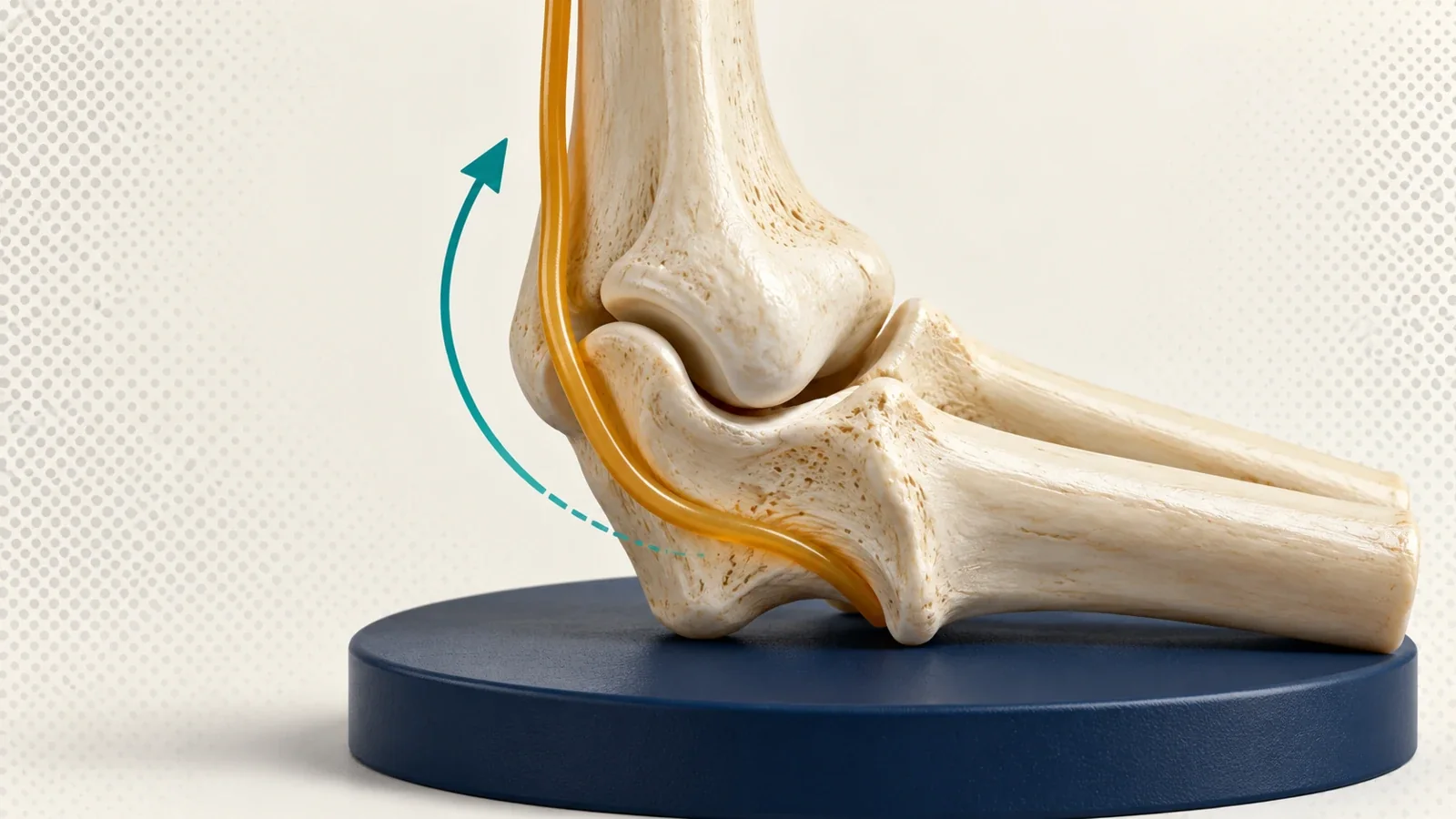
Explore the condition ↗Effects of ulnar nerve compression at the elbow on finger sensation and hand muscles, diagnosis and treatment options.
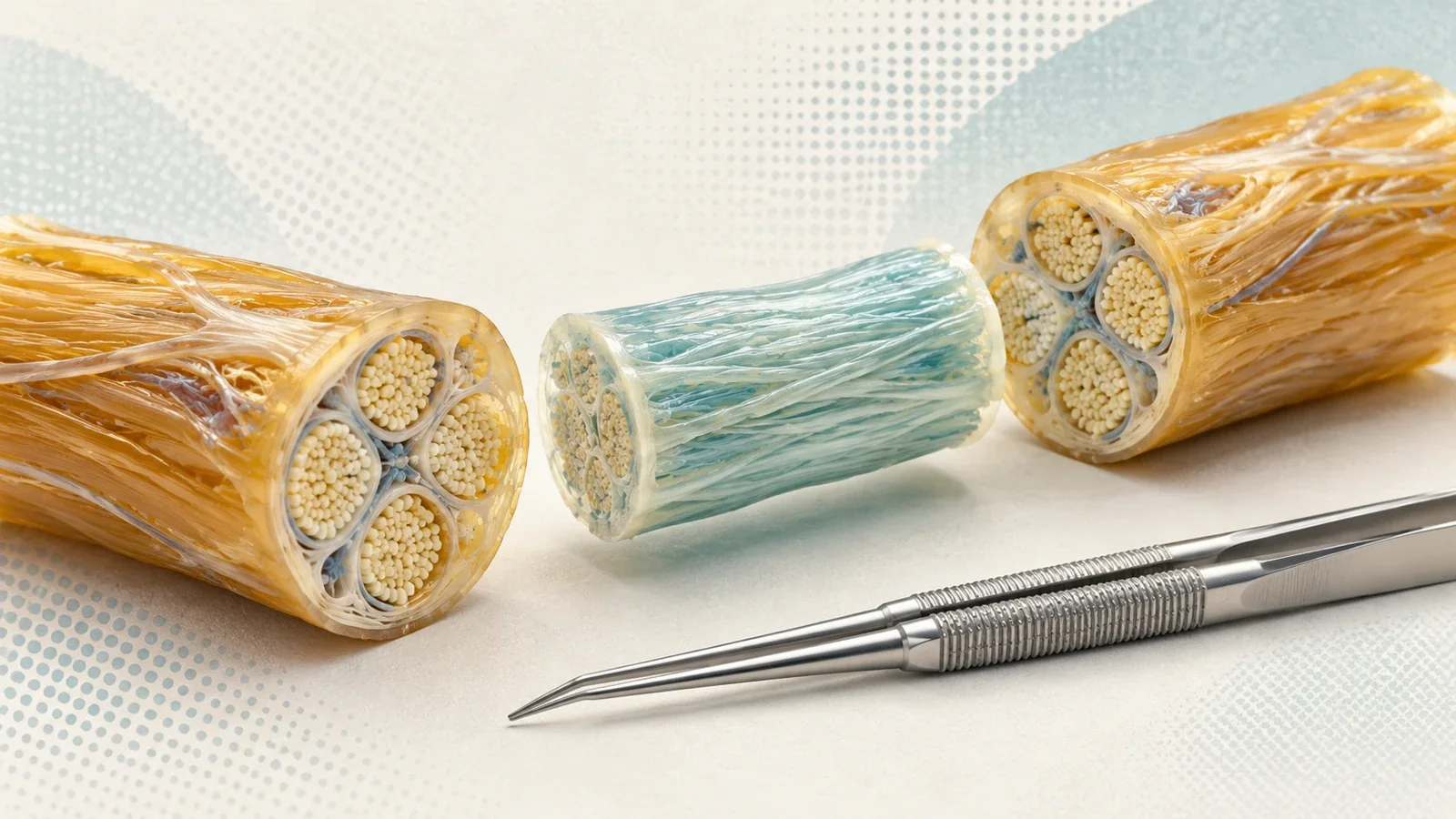
Explore the condition ↗Assessing nerve damage after cuts, compression and stretch injuries; repair and rehabilitation.
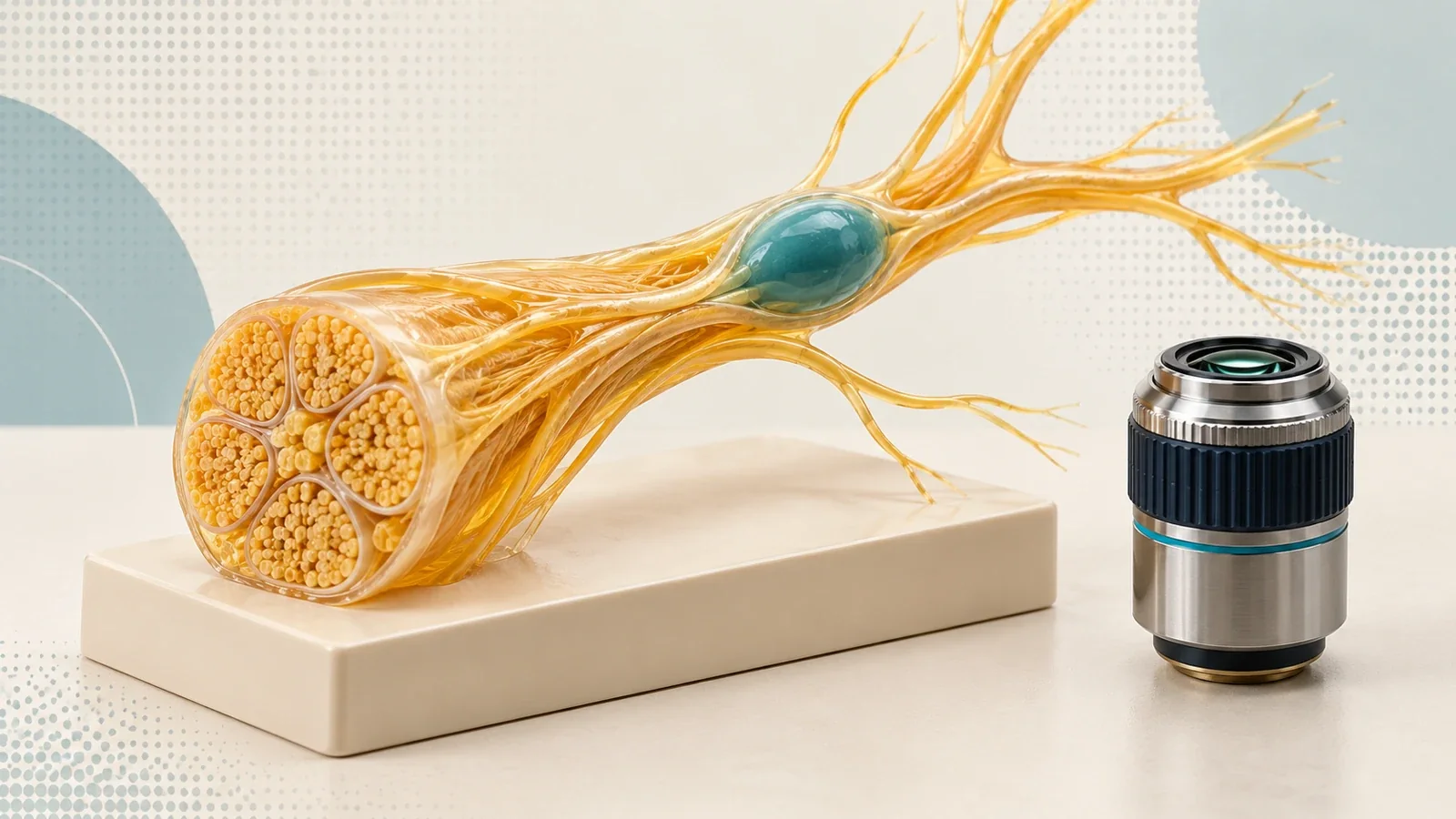
Explore the condition ↗Distinguishing benign from malignant masses along nerves, appropriate diagnosis and specialist team assessment.
Explore the condition ↗Trigeminal neuralgia is associated with the fifth cranial nerve and usually causes brief, severe attacks of pain on one side of the face.
Explore the condition ↗Hemifacial spasm causes involuntary, repeated contractions of muscles on one side of the face.
Explore the condition ↗Surgical assessment for epilepsy involves specialist team evaluation when seizures are not adequately controlled.
Explore the condition ↗Surgical assessment of movement disorders may be considered when symptoms of Parkinson's disease, essential tremor or some types of dystonia are not adequately controlled.
Explore the condition ↗Anatomical differences at the junction of the skull base and spinal cord, symptoms and individual monitoring decisions.
Explore the condition ↗Connections restricting spinal cord movement; assessment of growth, walking and bladder function.
Explore the condition ↗Congenital differences in spinal development; open and closed forms, multidisciplinary care and follow-up.
Explore the condition ↗Early fusion of skull sutures, distinguishing differences in head shape and specialist team assessment.
Explore the condition ↗Head injury occurs when an impact or sudden acceleration and deceleration affects structures of the head.
Explore the condition ↗Spinal injuries can affect vertebrae, discs and ligaments.
Explore the condition ↗