Understanding the condition
A condition that can resemble ageing
Normal pressure hydrocephalus involves cerebrospinal fluid circulation and absorption and is usually assessed in older adults. Enlarged ventricles may accompany problems with walking, thinking or bladder control. Sometimes there is previous bleeding, infection or trauma; sometimes no clear cause is found. The name does not mean that one pressure measurement can exclude the condition. Diagnosis does not rely only on large ventricles, since loss of brain tissue volume may produce similar enlargement. Recognition matters because selected patients may benefit from fluid diversion. However, not all memory and walking difficulties should be attributed to this condition. Age, other illnesses and effects on everyday life are considered together.[1][2][3]
Before consultation, note walking aids and daily support needs. This baseline helps assess change after treatment. If relatives' impressions differ from the patient's experience, both deserve attention. Assessment should not depend entirely on a single observer's impression of improvement or deterioration.
Patterns of symptoms
Ask carefully about walking changes
Walking difficulties may include small steps, trouble starting, instability when turning and falls. Feet may feel stuck to the floor. Slower thinking, difficulty sustaining attention and problems planning tasks can occur. Urgency or inability to reach the toilet may accompany them, but all three symptom groups need not coexist. Walking difficulty also occurs with disc herniation, spinal stenosis, joint disease, Parkinson's disease and other conditions. Urinary complaints may need separate urological investigation. Comparisons with previous function are useful: when did a cane become necessary, how often does the person fall, and which tasks remain independent? Sudden weakness or altered consciousness should not be attributed to this usually gradual condition and needs urgent assessment. The timeline of symptoms provides important diagnostic information.[1][2][3]
Diagnosis and alternative explanations
Imaging and functional measurements
MRI or CT assesses ventricular enlargement and other brain changes. Findings may support suspicion without establishing the diagnosis alone. Examination, gait and balance tests, cognitive assessment and general health are considered together. Neurology, neuropsychology and physiotherapy may contribute. Alzheimer's disease, vascular disease and movement disorders can coexist and influence which functions might improve. Clinical assessment includes independence as well as symptoms. Review medicines, vision, muscle and joint problems that could contribute. Explain how strong the suspicion is and which question an additional test addresses. A normal brief memory test or one observation of walking does not replace comprehensive assessment. Earlier images may help interpret change over time. Concrete examples of everyday difficulties add context to measurements obtained during the consultation.[1][2][3]
Fluid tests
Limits of predicting shunt benefit
Selected patients may have walking reassessed after removal of cerebrospinal fluid through lumbar puncture. Some centres use longer lumbar drainage or infusion tests examining fluid dynamics. The purpose is to assess the effects of drainage and characteristics of circulation. Images, bleeding risk and medicines need review beforehand. Explain risks such as headache, infection, bleeding and temporary symptoms. Comparable functional measurements before and after improve interpretation. Shunt candidacy is not automatically determined by one result. Test sensitivity and other illnesses require specialist interpretation. Clear improvement can inform likely benefit but cannot guarantee relief of every complaint after surgery. Discuss specifically which function might change and how it will be assessed, keeping the limitations of prediction clear to the patient and family.[1][2][3]
Shunt treatment and risks
Goals are individual
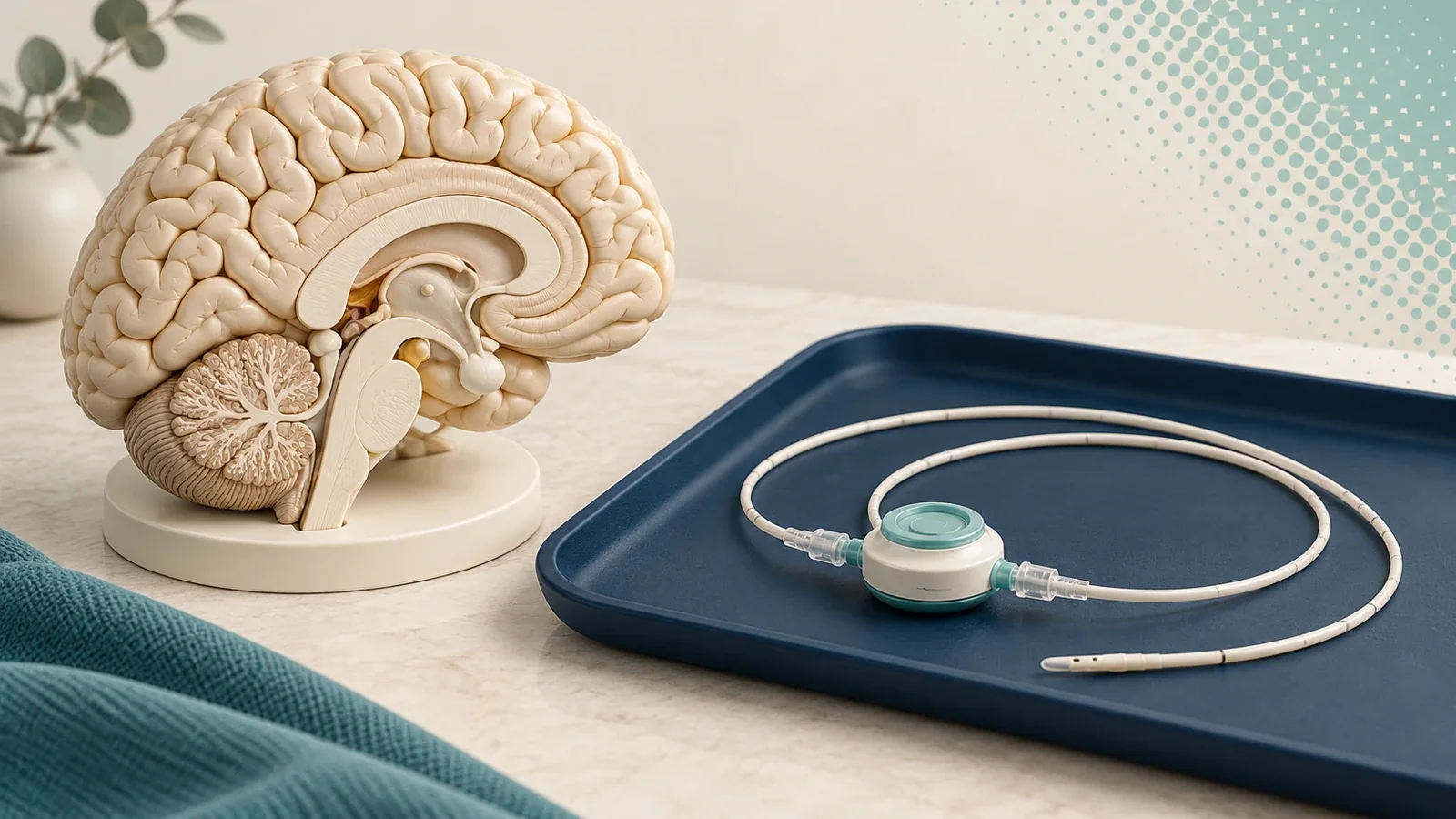
In suitable patients, a shunt usually diverts ventricular fluid to the abdomen. Tubing beneath the skin and a valve regulate flow. Adjustable valves may need later setting changes. Walking, cognition and bladder control may not improve equally or simultaneously. Longstanding other illnesses may limit recovery. Surgery carries bleeding, infection, neurological and anaesthetic risks. Blockage, overdrainage, underdrainage and subdural collections can occur; further procedures may be needed. If surgery is unsuitable, fall prevention, physiotherapy, everyday support and treatment of other illnesses continue. A shunt does not treat normal ageing or every form of dementia. Decisions consider the patient's goals, available care, surgical risk and assessment results together. Discussing realistic targets helps distinguish an expected functional benefit from an assumption of complete recovery.[1][2][4][5]
Long-term assessment
Consultation and care planning in İzmir
Reviews compare walking, balance, cognition and everyday function with baseline measurements. Imaging alone does not measure benefit. Keep the shunt card and valve information and show them before MRI. Fever, wound redness, increasing headache, vomiting or altered consciousness needs assessment; sudden severe symptoms need emergency help. Home adaptations, walking support and activity are individualised. Bring MRI images, earlier gait assessments, fluid test reports and medicine lists to Op. Dr. Ozan Ganiüsmen in İzmir. Specialist fluid circulation, neurology and rehabilitation input may be appropriate. Discuss expectations openly. Follow-up aims beyond confirming a shunt is present: it supports safe movement and the independence that can reasonably be maintained, with goals reviewed alongside the patient's and family's observations.[1][2][4][5]
Scientific and Institutional Sources
- CUH — Normal pressure hydrocephalus specialist service
Walking, cognitive and urinary symptoms; multidisciplinary testing
- North Bristol NHS — What is Normal-Pressure Hydrocephalus?
Imaging alone does not establish diagnosis; drainage and shunting
- St George’s NHS — Normal Pressure Hydrocephalus
Clinical findings and patient selection
- University Hospital Southampton — Adult hydrocephalus and shunts
Shunt function, complications and monitoring
- NHS — Hydrocephalus: complications
Infection, obstruction and post-treatment warning signs