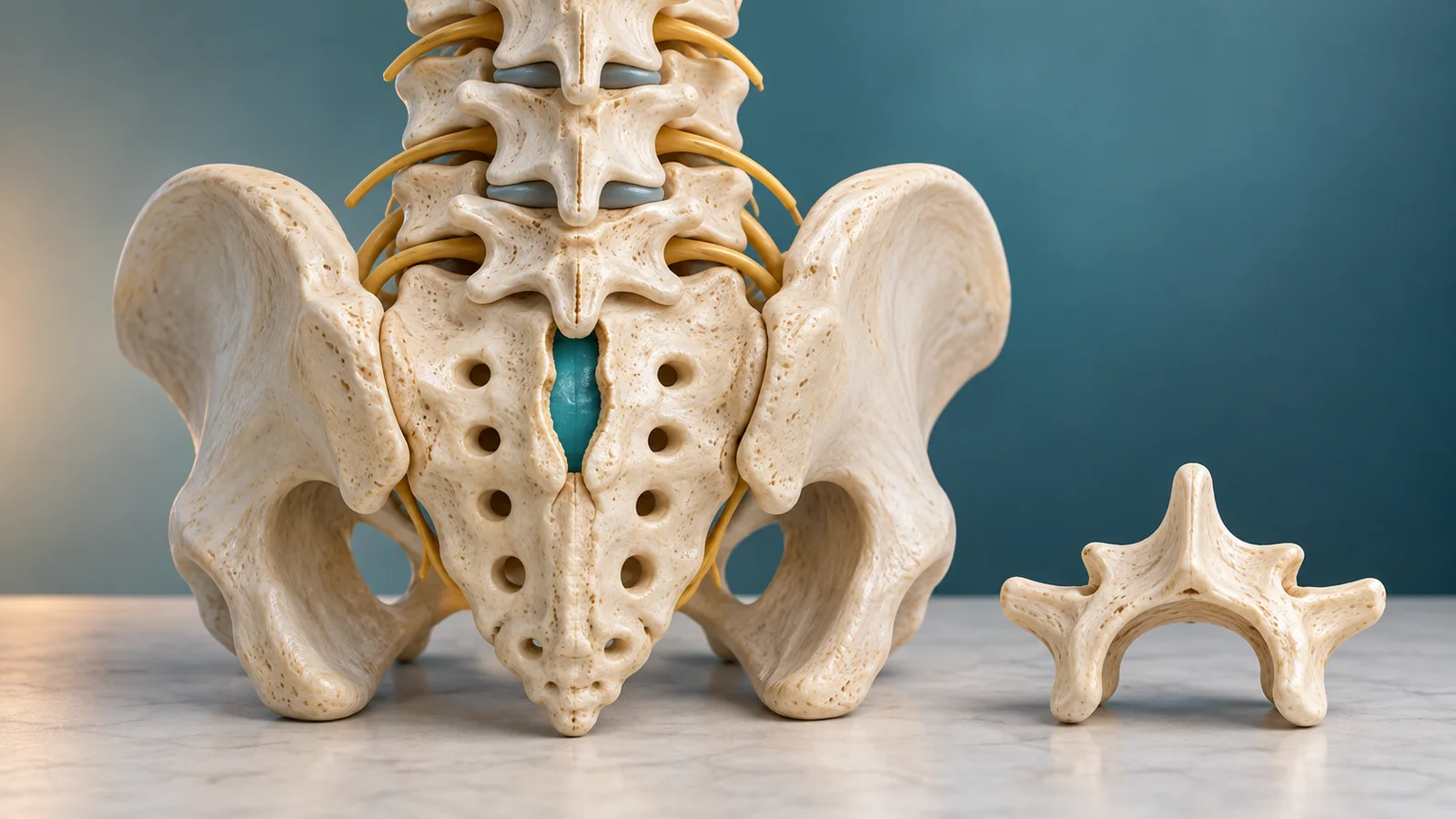
What is spina bifida?
Spina bifida covers congenital conditions involving the development of the spine and related nervous system structures before birth. It does not have one appearance or one level of function. A small bony opening alone differs from an open defect involving neural tissue. Location and extent affect the child's needs. Imaging terminology by itself does not determine future abilities. Assessment considers anatomical findings alongside neurological and other system functions. Care may change at different ages, so an individual plan should address development and changing needs as well as the original structural finding.[1]
How are the main types distinguished?
Some occult or closed conditions have little evident neurological loss. Meningocele involves a sac related to the membranes, whereas myelomeningocele also involves neural tissue and may create different needs. Explain terms clearly. Not every closed finding needs surgery, and open defects do not all have identical severity. Prenatal findings require specialist pregnancy and neonatal planning. General online information cannot replace an individual birth plan based on the child's findings and relevant team assessment.[1]
Which functions may be affected?
Leg movement, sensation, walking and bladder or bowel control may be affected to different degrees. Orthopaedic problems and altered skin sensation matter. Some have hydrocephalus or other neurological differences, but not everyone. Assess the child's strengths alongside support needs. Development, learning and participation are also part of care. Focusing only on the spinal opening can overlook other health needs, which is why a comprehensive monitoring plan is important.[2][4]
Diagnosis and initial assessment
Investigations across pregnancy and childhood
Some cases are identified during pregnancy assessments; some closed conditions are investigated after birth. Test selection changes with age and the clinical question. Neurological examination, imaging and kidney and bladder assessment may be needed. Explain why each test is performed. Understanding how findings relate helps coordinate later care. The child's whole health, rather than a single investigation, informs treatment. Sharing earlier records within the team can reduce unnecessary repeat testing and maintain a consistent understanding of prior care.
Surgical and non-surgical care
Open defects need assessment for protection and repair without promising reversal of all prior neural effects. Specialist teams decide suitability and timing. Hydrocephalus or tethering require separate consideration. Rehabilitation, mobility aids, orthopaedics and urology form long-term care. Interventions and aids differ, with priorities updated for growth.[3]
What does lifelong monitoring cover?
Spina bifida follow-up is not limited to procedures in infancy. Growth-related changes in walking, spinal structure, skin, kidney and bladder function may need monitoring. School life and transition to adult care also matter. Methods supporting independence should match health. Needs vary, so medicines, aids and operations should be recorded regularly. Communication between specialties helps keep plans consistent. Review frequency is individual rather than a standard timetable for every family, and goals are reconsidered as circumstances change.
Which changes should not wait?
New weakness, walking or urinary changes and rapidly increasing spinal symptoms need assessment. With a shunt, headache, vomiting, drowsiness or unexpected deficits may matter. Report fever and wounds. Do not automatically attribute symptoms to the existing diagnosis. Serious deterioration needs emergency help and a personal contact plan.[4]
What can families discuss?
Families can ask which functions will be monitored, what support is needed at home and how different specialists' opinions will be coordinated. Nutrition or pregnancy prevention questions require individual medical advice; prescribed medicines should not be stopped independently because pregnancy is planned. A risk factor is not grounds for personal blame. Care should be understandable and sustainable for the family. Sharing concerns before they accumulate until the next review helps identify needs in time and supports practical planning.
Strengths and independence
Assessment should record abilities as well as losses. Needs differ at home, school and in social life. Care equipment and routines aim to support health and participation together. Clearly discussing where help is needed also helps understand family burden. Responsibilities may need reassessment through adolescence and transition to adulthood. Because needs differ, another family's plan should not simply be copied. Revisiting goals over time keeps care broader than operation dates. School support and practical difficulties carrying out daily care can also be included in these conversations.
Neurosurgical assessment in İzmir
For consultation about congenital spinal and cord conditions with Op. Dr. Ozan Ganiüsmen in İzmir, gather birth, operation and imaging records. Urological and rehabilitation results should also be provided. Discuss relevant specialties and specialised centre assessment where needed. The aim is to understand changing needs and the pathway ahead, not only confirm a disease name. Abilities, difficult everyday tasks and the family's support needs provide concrete topics for the consultation and help explain what ongoing care requires.
Scientific and Institutional Sources
- AANS — Spina Bifida
Distinguishing open and closed structural types.
- NINDS — Spina Bifida
Neural tube development and clinical variation.
- CDC — Manage Spina Bifida
Lifelong multidisciplinary care.
- NICHD — Associated conditions
Hydrocephalus, urological and other associated conditions.