The scope of head injury
From concussion to structural injury
Head injury can follow an impact or sudden acceleration and deceleration affecting structures of the head. It includes concussion, skull fractures, brain tissue injuries and different intracranial bleeds. Brain injury may occur without a visible external wound. A fracture and the severity of brain injury do not correspond directly. Headache and attention difficulties can persist after injuries classified as mild; severe injuries may require respiratory and circulatory support. Mechanism, such as fall height or vehicle speed, contributes to assessment but cannot alone exclude internal bleeding. Age, medicines, unconsciousness and examination matter together. Someone initially well may deteriorate later, making observation and discharge instructions important. Assessment needs to reflect the person's clinical course, not only the first impression.[1][2][3]
Reviews address practical changes such as reading tolerance, sleep and completing tasks, alongside pain intensity. Gradual goals may follow the person's capacity. Significant deterioration needs reassessment rather than continuing an activity plan unchanged.
Which symptoms are urgent?
Do not mistake deterioration for tiredness
Unconsciousness, difficulty waking, repeated vomiting, increasing headache, seizures, speech problems or new weakness need emergency assessment. Report blood or clear fluid from ears or nose and severe neck pain. Unusual behaviour, marked drowsiness or feeding difficulty matters in children unable to describe symptoms. Blood-thinning medicines and clotting disorders affect assessment thresholds and must be reported. Call 112 in Türkiye after severe trauma or neurological deterioration. Avoid unnecessary movement because neck injury may coexist. Do not give food or drink with impaired consciousness. Alcohol does not exclude internal injury and must not be accepted as the sole explanation for altered awareness. Brief early recovery is not reassurance. Tell the team when and how the injury occurred and when the person was last normal.[1][2]
Examination and imaging
Not every impact needs identical tests
Assessment begins with breathing and circulation. Consciousness, pupils, speech and limb movements are checked and reassessed where needed. CT investigates acute bleeding and fractures, but is not automatic after every minor impact. Age, loss of consciousness or memory, neurological findings, vomiting and medicines guide selection. MRI helps in certain circumstances but does not always replace initial emergency imaging. Routine images can be normal with concussion; a normal CT does not mean symptoms are unreal. Neck and other injuries need separate assessment. Observation and safe discharge depend on more than imaging. A responsible person at home and access to hospital if deterioration occurs contribute to planning. Written warning signs and instructions are important so patients and relatives understand when reassessment is required.[1][2][3]
Non-operative care
Reducing secondary injury and adapting activity
After suitable assessment of mild injury, a brief period of rest and gradual symptom-guided activity may be planned. Work, school and mental activity are adapted individually rather than avoided indefinitely. Sport with another impact risk requires medical review. Severe injury may need intensive care, ventilation, circulatory support and pressure monitoring. The aim is to limit additional harm from oxygen shortage or circulatory problems after the initial injury. Seizures, nutrition, infection and immobility are monitored. Neither medicines nor hospital stay are identical for everyone. Families need explanations of what is known and uncertain. One early score should not define an unchangeable lifelong outcome. Repeated examinations and function over time inform recovery assessment, with the plan adjusted as the person's clinical condition changes.[1][2][3]
Conditions requiring surgery
Clot evacuation and pressure management
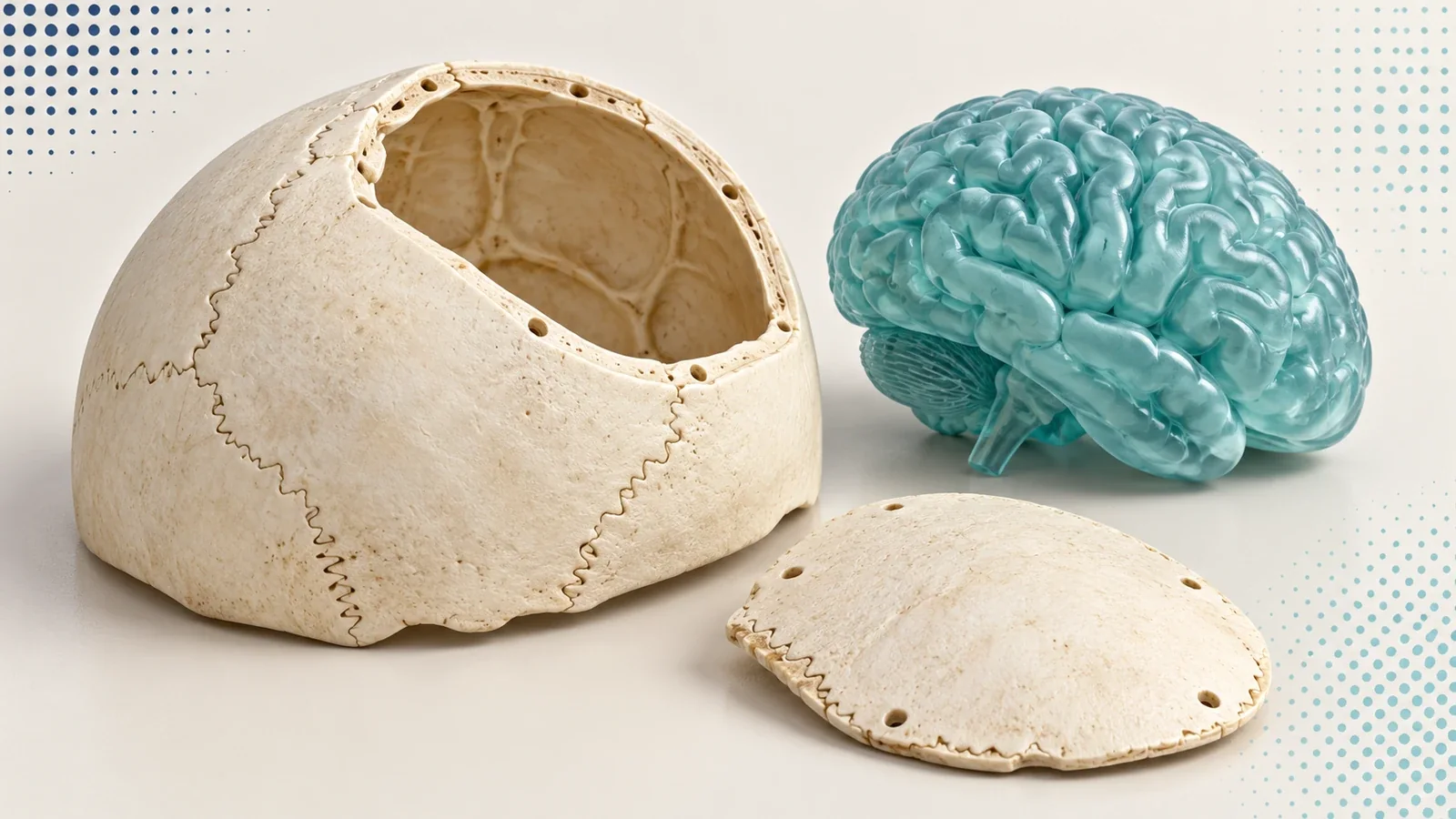
Selected haematomas compressing the brain may require evacuation. Open or depressed skull fractures may need surgery. In some severe cases, decompressive craniectomy is discussed for pressure uncontrolled by medical care. A bone flap may temporarily remain out, with later repair considered separately. Decompressive craniectomy is not routine for every head injury. Lower pressure and independent function are different outcomes; potential benefit and severe disability both need discussion. Risks include bleeding, infection, seizures and new neurological impairment. Images, examination, pressure trends and general health guide decisions. Explain the effects of existing injury separately from the procedure's purpose. Intensive care and lengthy rehabilitation may remain necessary afterwards. The patient's clinical circumstances and care goals contribute to assessment alongside the technical options available to the team.[2][4][5]
Recovery and follow-up
Returning to daily life in İzmir
Headache, dizziness, fatigue, sleep and attention difficulties may persist. Ongoing complaints may require neurology, rehabilitation or other specialist review. Work and school schedules or tasks may need adjustment. Driving and sport depend on symptoms, seizures and neurological function. New vomiting, altered consciousness or weakness requires emergency assessment: earlier normal imaging does not explain away deterioration. Bring emergency records, scans, discharge summaries and medicine lists to Op. Dr. Ozan Ganiüsmen in İzmir. Follow-up with an appropriate trauma centre and rehabilitation team may be considered. Relatives can provide concrete examples of memory or behavioural changes. Goals should be agreed with the patient. Care addresses safe movement, communication and achievable independence alongside scan reviews, and considers how symptoms affect the person's own daily activities and priorities.[1][2][3]
Scientific and Institutional Sources
- NICE NG232 — Head injury: assessment and early management
Emergency assessment, imaging, observation and discharge
- AANS — Traumatic Brain Injury
Types of traumatic brain injury
- AANS — Concussion
Concussion and return to activity
- Brain Trauma Foundation — Decompressive Craniectomy Recommendations
Limits of surgery for refractory pressure in severe trauma
- Brain Trauma Foundation — Surgical Management of TBI
Surgical selection for focal haematomas