What is microvascular decompression intended to do?
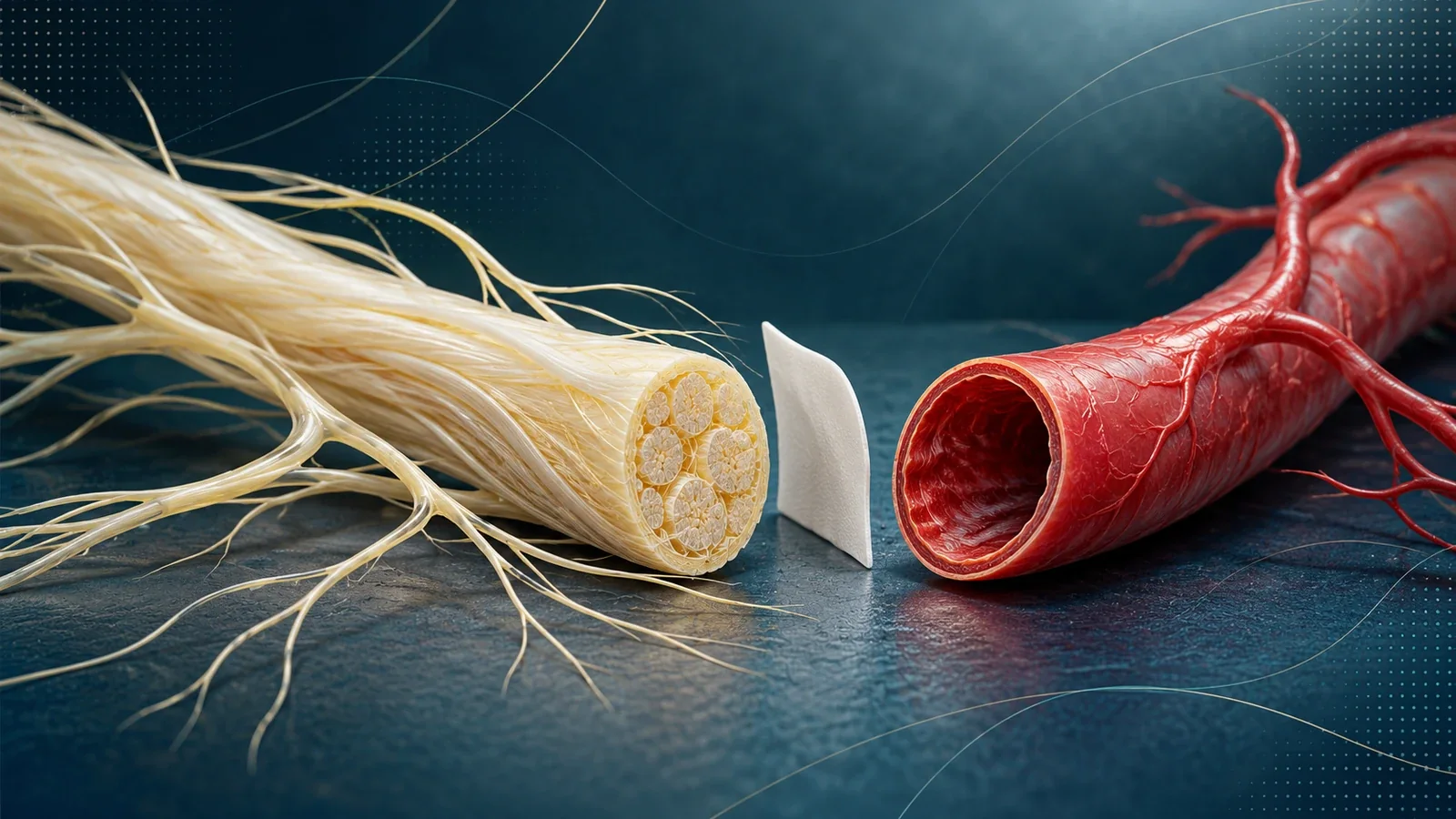
Microvascular decompression is a neurosurgical operation addressing a compression relationship between certain cranial nerves and vessels. A recognised indication is classical trigeminal neuralgia. Rather than deliberately injuring a pain-carrying nerve, it aims to reduce the effects of a relevant vessel–nerve relationship. Vessel proximity on imaging alone does not justify surgery. Symptoms, examination and imaging must be interpreted together.[1]
Not every facial pain is suitable. Dental, jaw joint, headache and other neuropathic conditions may cause similar symptoms. Intervention based on the wrong cause may not help. Assessment therefore starts by defining pain, particularly attack duration, triggers, distribution and intervals. A clear explanation of the diagnosis should come before discussion of the technical details of an operation.
For whom might it be considered?
Assessment for trigeminal neuralgia
Surgical options may be considered when trigeminal neuralgia medicines are inadequate or cannot continue because of adverse effects. Agreement between symptoms and vessel–nerve findings is one component. Age alone is insufficient: health, anaesthetic risk, earlier procedures and preferences matter. Medication trials and adverse effects should be documented. Neurology–neurosurgery collaboration may be needed.[2]
Discuss personal goals such as fewer attacks, easier eating or speaking and reassessing medicine burden. Clarify which expectations are realistic. Previous radiofrequency or other procedures may have caused sensory loss that should be recorded. Selecting a new treatment does not mean that all effects of an earlier procedure can be reversed. If radiofrequency or another intervention has already been performed, recording the existing sensory loss is important for later comparison. Differences between the person’s expectations and the method’s intended target should be made clear before consent. Differences between expectations and aims should be resolved during consent.
Hemifacial spasm and other circumstances
In hemifacial spasm, involuntary contractions on one side may prompt consideration of decompression of a facial nerve–vessel relationship. This differs from trigeminal neuralgia, which primarily involves characteristic pain attacks. The nerve and intended effects differ. Medicines or botulinum toxin may also be discussed individually. These should not be confused under one disease label.[3]
Use for another cranial nerve condition does not establish suitability for all tinnitus or dizziness. Causes differ and other specialties may contribute. Ask the diagnosis and interpretation of vascular findings rather than searching a technique name alone. Centre and team scope also matter. This page does not constitute a record verifying that a particular procedure is personally provided. The centre where it could be performed and the scope of the relevant team’s practice require separate consideration. Widespread symptoms such as tinnitus or dizziness may have different causes and may involve assessment by other specialties.
Comparison with other treatments
Medicines, percutaneous interventions and selected stereotactic radiosurgery are distinct trigeminal options. Balloon compression, glycerol and radiofrequency lesioning aim for controlled effects on fibres. Decompression instead addresses the mechanical vessel relationship. This explains differences in benefits and risks. Small incisions, short stays or device names alone should not decide selection.[4]
The role of monitoring and medicines
Another plan may suit people controlled on medication or facing greater open-operative burden. Monitoring should define targets rather than become indefinite waiting. During follow-up, the impact on everyday life, difficulty with eating and problems caused by medicines can be recorded. Choosing monitoring should mean a defined plan for what will be observed, rather than an indefinite wait without a clear purpose. Changes to medicines depend on the course of pain and the team’s assessment. Do not independently reduce medicines even if contemplated after surgery. Changes depend on pain and team review; another person's regimen should not be copied.
Preparation and general operative approach
A facial pain timeline, medicine list and previous procedure records help assessment. MRI investigates alternative causes as well as vascular contact. Report clotting-related medicines, allergies, hearing and prior anaesthetic experience. Fasting and medication instructions are individual. Discuss hospital stay and support to prepare everyday arrangements.
Under general anaesthesia, a skull opening allows microscopic assessment of nerve and vessel. The relationship is modified where appropriate, with details depending on anatomy. This is not technical training. Monitoring may help protect nerve function without preventing every complication. Neurological assessment and necessary hospital observation continue afterwards.[5]
Possible risks and outcome limitations
Discussion covers bleeding, infection, cerebrospinal fluid leakage, hearing effects, facial sensory or movement changes, balance and other neurological problems. Anaesthetic risks also matter. Pain may not decrease adequately or may recur. Effects can be temporary or permanent. Personal meaning depends on imaging and health; general success rates cannot predict an individual's result.[1][5]
Long-term research describes differing courses in selected groups, not every facial pain patient.[6] Assess medicines, sensation and function alongside pain. New weakness, altered consciousness, seizures or severe new headache may need emergency care. Wound discharge, fever or worsening symptoms require the team's care-seeking plan.
Pain diaries and treatment goals
Is intensity alone enough?
Daily impact matters alongside attack counts. Note symptoms with brushing teeth, speaking, eating or washing. Distinguishing constant background pain from brief electric-shock-like attacks may inform diagnosis. A diary is not a diagnostic test but supports history-taking. Report new sensory changes or bilateral symptoms separately.
State the function you most want to regain. Easier eating, less fear of attacks and fewer medication problems are different goals whose relation to the method should be explained. At review, it can be more useful to compare present abilities with the difficulties before the operation than simply to answer whether you feel well. If pain has decreased while another complaint has become more noticeable, that complaint should also be assessed. One score or the impression on the first day does not describe the entire result. New complaints still matter when pain improves. Avoid reducing outcomes to one score or first-day impression.
Follow-up and facial pain assessment in İzmir
What can you ask before surgery?
Ask whether the diagnosis is classical neuralgia, how MRI relates to symptoms and why this approach is proposed. Discuss when another intervention might replace open surgery. Record contacts for attacks, medication management and review. There is no single timetable for returning to work and physical activity. The course of the operation and the demands of the person’s work should be considered together when advice is given.
For people researching microvascular decompression or trigeminal treatment in İzmir, correct classification comes first. Op. Dr. Ozan Ganiüsmen's method information connects disease and treatment pages. The place and team require separate assessment. Reviewing MRI, medicines and previous procedures together supports concrete discussion of benefit, limits and follow-up.
Scientific and Institutional Sources
- NHS — Trigeminal neuralgia: treatment
MVD aims, alternatives and general risks
- AANS — Trigeminal Neuralgia
Diagnostic distinctions and surgical options
- St George’s NHS — Hemifacial spasm
Facial nerve relationships in hemifacial spasm; distinction from facial pain
- NIH NIDCR — Trigeminal Neuralgia
Distinguishing open surgery from controlled lesion procedures
- Microvascular decompression in trigeminal neuralgia — prospective study of 115 patients
Prospective study; selection, complications and limits of individual outcome prediction
- Barker et al. — The long-term outcome of microvascular decompression for trigeminal neuralgia
Long-term clinical follow-up; findings not generalised to all facial pain