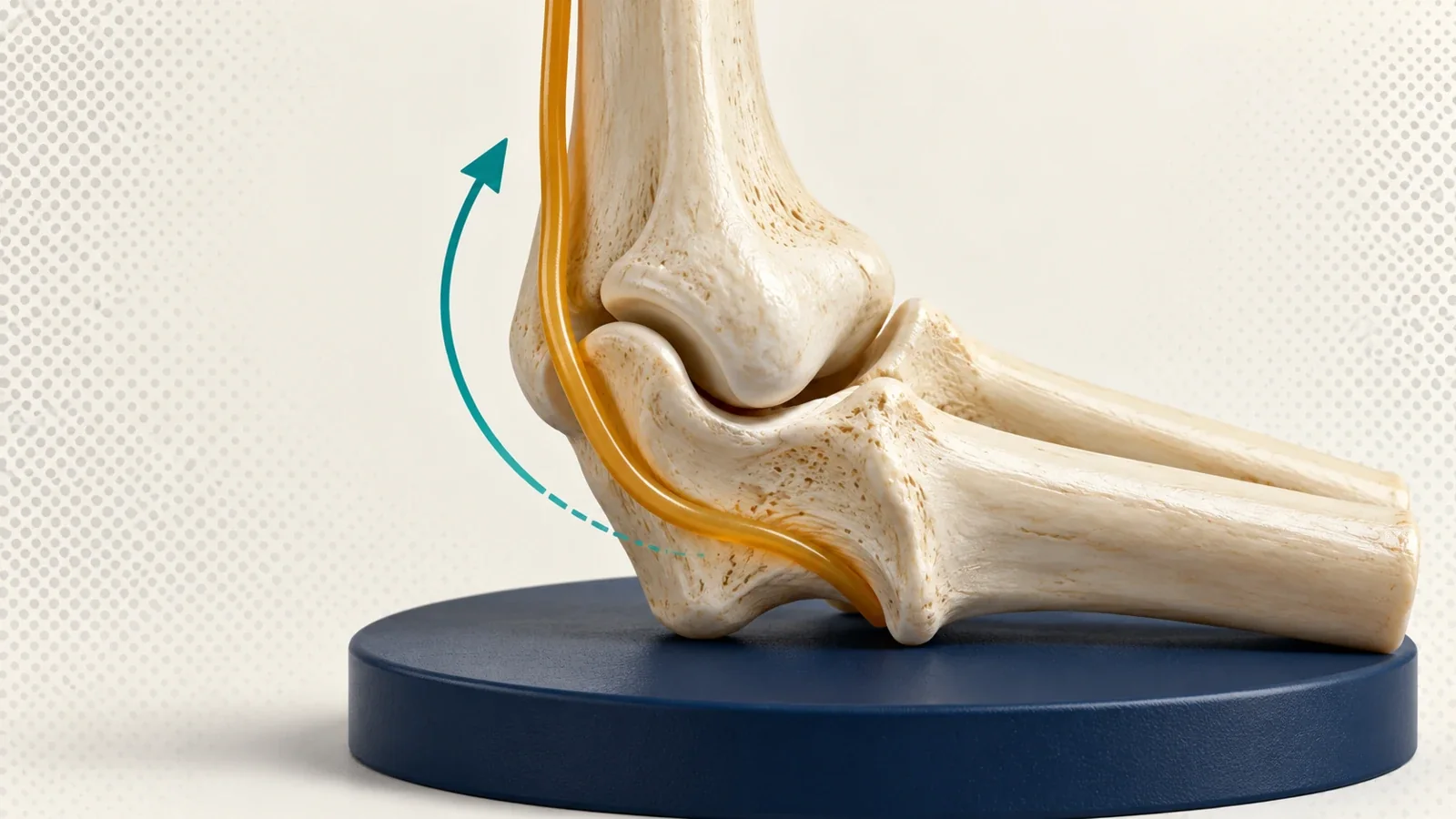
What are ulnar nerve release and transposition?
Ulnar nerve surgery includes procedures reducing pressure, most commonly at the inner elbow. This nerve contributes to little-finger and part of ring-finger sensation and supplies many small hand muscles. Compression may cause difficulty with fine tasks or weaker grip as well as tingling. Elbow compression is commonly called cubital tunnel syndrome.[1]
Release and transposition differ. Release reduces pressure from constricting structures, while transposition changes the nerve's route around the elbow to a more suitable position. Not every nerve needs moving. Examination behaviour, elbow structure and previous procedures influence selection alongside numbness. This page explains the general framework, rather than testing which method an individual needs.
How is the symptom source investigated?
Finger distribution, strength and elbow movement
The doctor asks which fingers are numb and whether bending or leaning on the elbow changes symptoms. Night symptoms and increases while holding a phone, driving or working at a desk are explored. Hand strength, finger spreading and muscle bulk are assessed. Movement may reveal nerve displacement or snapping over another structure. Old injuries, fractures and joint deformity matter.[2]
Cervical root problems, wrist-level ulnar compression or widespread nerve diseases may resemble this condition. Nerve conduction and electromyography help assess location and severity. Early tests may not show clear abnormalities, so results are not interpreted independently of examination. Ultrasound or imaging may assess moving nerve position or structural problems in selected cases.
When is surgery considered?
Persistent symptoms, affected daily tasks, insufficient benefit from suitable non-surgical care or progressive weakness may warrant surgical assessment. Wasting and persistent sensory loss require closer evaluation of function. Duration and rate of change matter. The fact that pain is not particularly severe does not necessarily show that the nerve has only been mildly affected; other aspects of function also require assessment.
The goal of cubital tunnel surgery may include preserving remaining nerve function as well as relieving discomfort. Severe longstanding involvement may limit strength recovery. Expectations should reflect this distinction. Health, anaesthetic risks and postoperative protection matter. Another person's selected method should not be assumed necessary for someone else.[3]
The role of non-surgical options
Mild intermittent symptoms may prompt less prolonged leaning, adjustment of sustained elbow flexion and changed night positioning. Suitable splints or supports may help some people. They aim to reduce nerve strain rather than reverse every type of damage. Work and daily movements should be assessed individually.[1]
If exercises or nerve gliding are recommended, clarify who teaches them and their limits. Continuing forceful online movements that increase numbness is inappropriate. Pain management considers other conditions and medicines. Non-surgical monitoring requires criteria: new weakness, wasting or poorer hand function warrant reassessment. Follow-up is broader than simply asking whether symptoms remain tolerable. The agreed monitoring criteria also address changes in strength, muscle bulk and the ability to use the hand in everyday tasks.
How is release versus transposition chosen?
In-situ decompression
In-situ decompression releases constricting structures while leaving the nerve in its bed. Suitable anatomy and clinical findings may support this option. The name does not mean every elbow is treated identically. Compression sites and effects of previous operations vary.
Anterior transposition
Transposition moves the nerve from behind to in front of the inner elbow's bony prominence. Movement-related displacement, previous surgery, deformity or other features may support consideration. The tissue plane is a separate technical decision. Greater extent does not make transposition universally preferable. Randomised comparisons with simple release must be interpreted using individual anatomy and the studied population.[4]
Preparation and consent discussions
Report medicines, blood thinners, allergies, previous operations and other diseases. Change medicines only on team advice. Report elbow skin lesions, infection or general health changes. Anaesthesia and arrival instructions are individualised; fasting or medication instructions from another operation should not be reused.
Clarify which arm, the planned method and circumstances requiring another approach during surgery. Consider support for dressing, hygiene, cooking and transport. A person doing desk-based duties and someone whose job involves lifting heavy loads do not have identical restrictions or practical requirements after the operation. Consent should separately address temporary symptoms, lasting functional loss and revision possibilities. Written information supports the opportunity to have the person's own questions answered during the consultation.
Risks and limits of expected benefit
After ulnar nerve release, wound infection, bleeding, scar tenderness and elbow pain may occur. Injury to the nerve or small sensory branches may cause new numbness or weakness. Conditions in the new nerve bed matter particularly after transposition. Stiffness, persistent symptoms and recurrence are also possible.[2]
Surgery aims to reduce pressure but cannot precisely predict biological recovery. Numbness, pain and strength may change at different rates. Advanced wasting may leave permanent functional effects. Other nerve disease may limit results. Technical completion therefore does not establish that every daily problem will end. Benefit and uncertainty should be understood beforehand.
How is postoperative care organised?
Dressings, wound review, elbow movement and loading limits depend on technique. Some people need protective support for individually determined periods. Hand therapy or physiotherapy should match the operation. Do not start forceful stretching or strengthening without review. Prolonged inactivity should not be adopted independently unless advised.
Reviews assess dexterity, strength and function as well as numbness. Repeat conduction testing depends on progress. Increasing swelling, discharge, fever, unexpected severe pain or new substantial weakness should be reported. Driving, work and sport depend on safe movement. Heavy manual workers may need a different return plan from those doing light duties.[3]
How can functional changes be described?
Examples from daily tasks help more than simply reporting numbness. Note changes in turning a key, buttoning clothes, writing or holding a fork. These observations do not replace examination but reveal everyday effects. Explain aggravating movements and changes with rest. New weakness should not be dismissed as fatigue; advice may be needed before the scheduled review.
Common questions and nerve surgery assessment in İzmir
Is the nerve moved in every case?
No. In-situ release may suit some people. Transposition depends on examination, anatomy and previous care. One electromyography report phrase cannot determine every operative detail.
Does finger numbness resolve immediately?
Recovery speed depends on damage duration and severity. Some symptoms lessen earlier, while strength or persistent sensory loss may follow another course. Reviews assess individual progress.
People seeking information on ulnar nerve surgery in İzmir can bring previous conduction reports and elbow images to neurosurgical assessment. Op. Dr. Ozan Ganiüsmen's information aims to distinguish disease from operative method. Concrete descriptions of sensory distribution, dexterity and daily tasks help assess options around personal needs.
Scientific and Institutional Sources
- NHS Scotland Right Decisions — Cubital tunnel syndrome
Anatomy, non-surgical options and different surgical methods
- Gateshead Health — Cubital Tunnel Release Surgery
Examination and tests, decompression versus transposition and risks
- Royal Berkshire — Ulnar nerve decompression
Preoperative decisions, possible risks and postoperative monitoring
- Bartels et al. — Prospective randomized controlled study comparing simple decompression versus anterior subcutaneous transposition for idiopathic neuropathy of the ulnar nerve at the elbow: Part 1
Randomised comparison; no claim of one technique being superior for everyone